




















































Medical Breast Cancer Screening: When Should You Get a Mammogram?

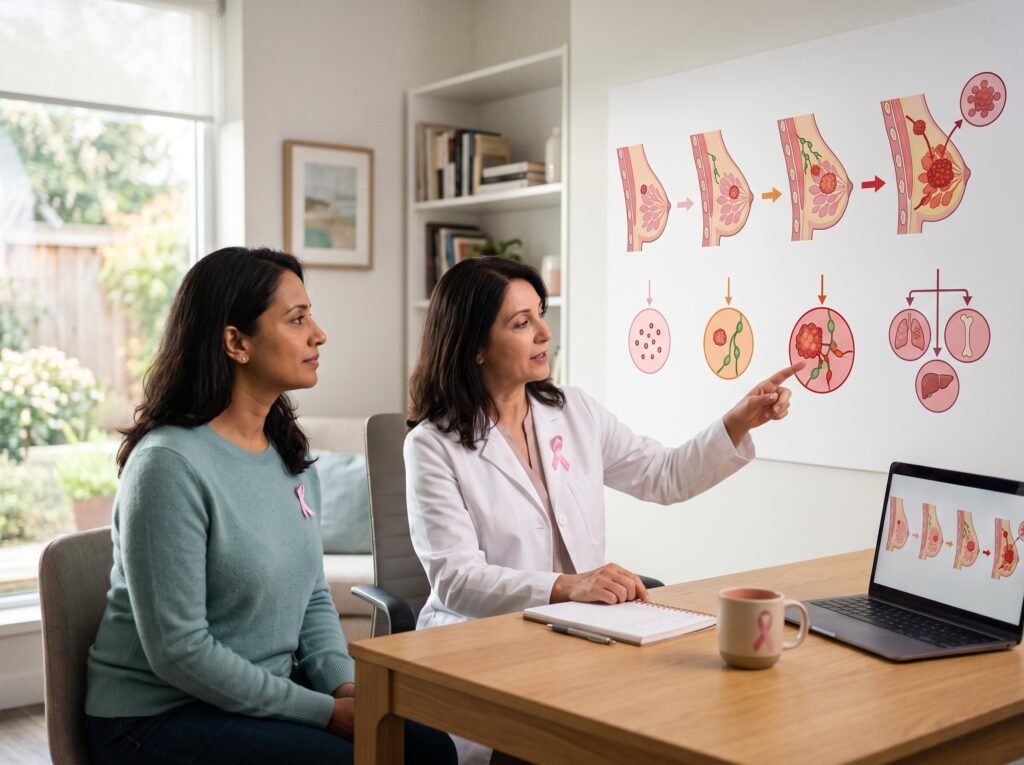
Breast cancer screening helps look for breast cancer before symptoms develop. For people at average risk, a mammogram is the primary screening test used to detect breast cancer early. But exactly when to begin screening and how often to have it can depend on age, personal risk, family history, previous treatments, and the guidelines used in your country.
For average-risk women in the United States, the U.S. Preventive Services Task Force (USPSTF) currently recommends a screening mammogram every two years from age 40 through age 74. People with certain high-risk factors may need a different screening plan, sometimes beginning earlier or involving additional imaging. Understanding your individual risk is therefore an important part of deciding when and how to have breast cancer screening.
What Is Breast Cancer Screening?
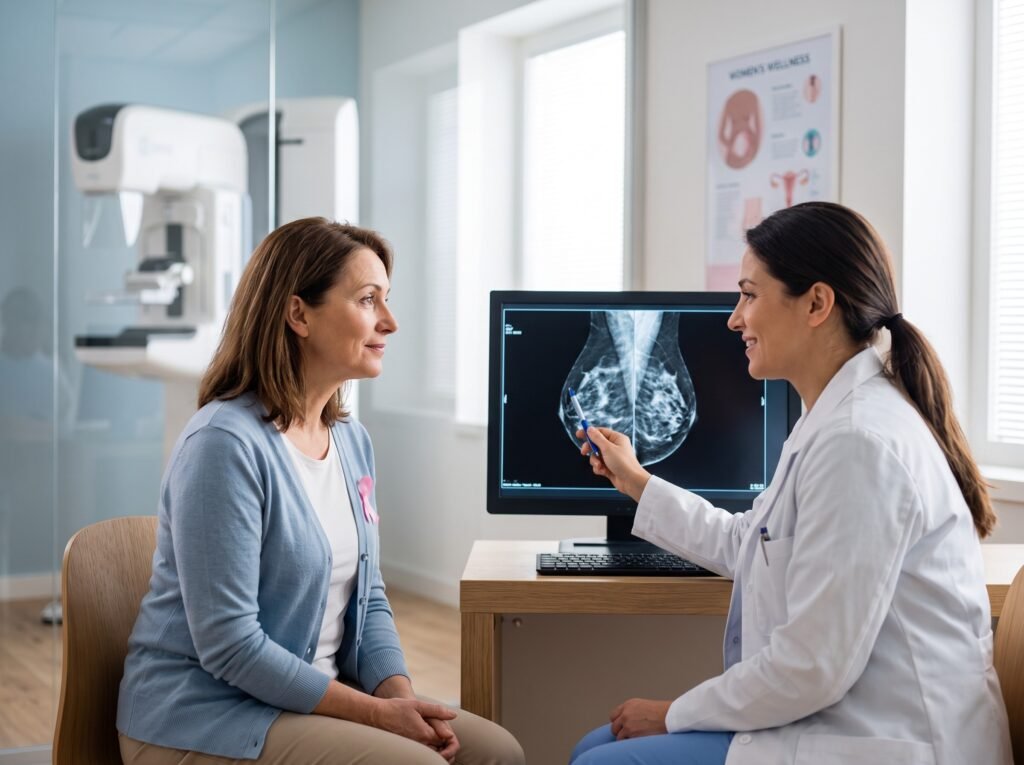
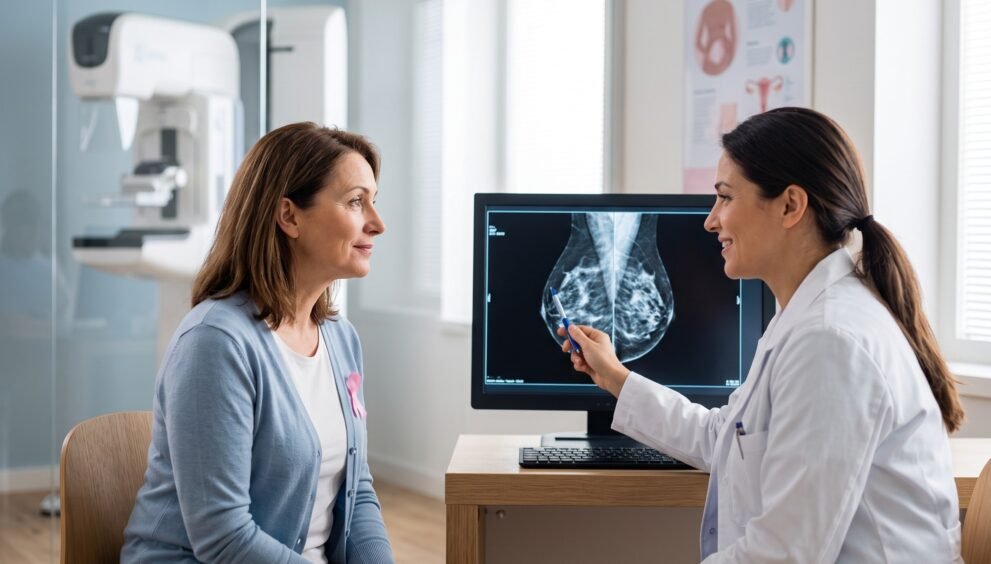
Breast cancer screening means checking for signs of breast cancer in people who do not have symptoms. The primary screening test is mammography. A mammogram uses X-rays to create images of breast tissue and can identify some cancers before they are large enough to feel or cause noticeable symptoms.
Screening is different from diagnostic breast imaging.
Screening mammography is generally performed when a person has no breast symptoms.
Diagnostic mammography or other diagnostic imaging may be recommended when there is a breast lump, nipple change, unusual discharge, skin change, or an abnormality found during screening.
The purpose of screening is early detection. It does not prevent breast cancer from developing.
When Should You Get a Mammogram?
For people at average risk, recommendations differ somewhat among medical organizations and countries.
Under the current USPSTF recommendation, women ages 40 to 74 should have a mammogram every two years. The recommendation applies to people at average risk and also includes some people with family history or dense breasts, but it does not cover those with certain high-risk genetic conditions, previous breast cancer, previous high-risk breast lesions, or previous high-dose chest radiation.
| Age/Risk Group | General Screening Consideration |
| Under 40, average risk | Routine mammography is generally not recommended solely because of age |
| 40–74, average risk | USPSTF recommends mammography every 2 years |
| 75 and older | Evidence is insufficient for a universal USPSTF recommendation; decisions should consider individual circumstances |
| Higher-than-average risk | Earlier, more frequent, or additional screening may be appropriate depending on the risk factor |
These are general guidelines rather than individualized medical instructions. Screening recommendations can differ between organizations and countries.
For example, the American College of Radiology and Society of Breast Imaging recommend annual mammography beginning at age 40 for women at average risk. This is one reason it is useful to discuss screening with a qualified healthcare professional rather than relying on a single age-based rule.
Why Is Age 40 Important for Breast Cancer Screening?
Breast cancer risk generally increases with age, but breast cancer can also occur in younger adults.
The USPSTF updated its recommendation in 2024 to recommend screening beginning at age 40 rather than previously recommending individualized decision-making for women in their 40s. The change was influenced by updated evidence and modeling concerning the benefits and harms of screening in younger women.
Starting at 40 does not mean that every person has exactly the same level of risk. Personal and family history can change the appropriate screening approach.
Who May Need Earlier or Additional Screening?
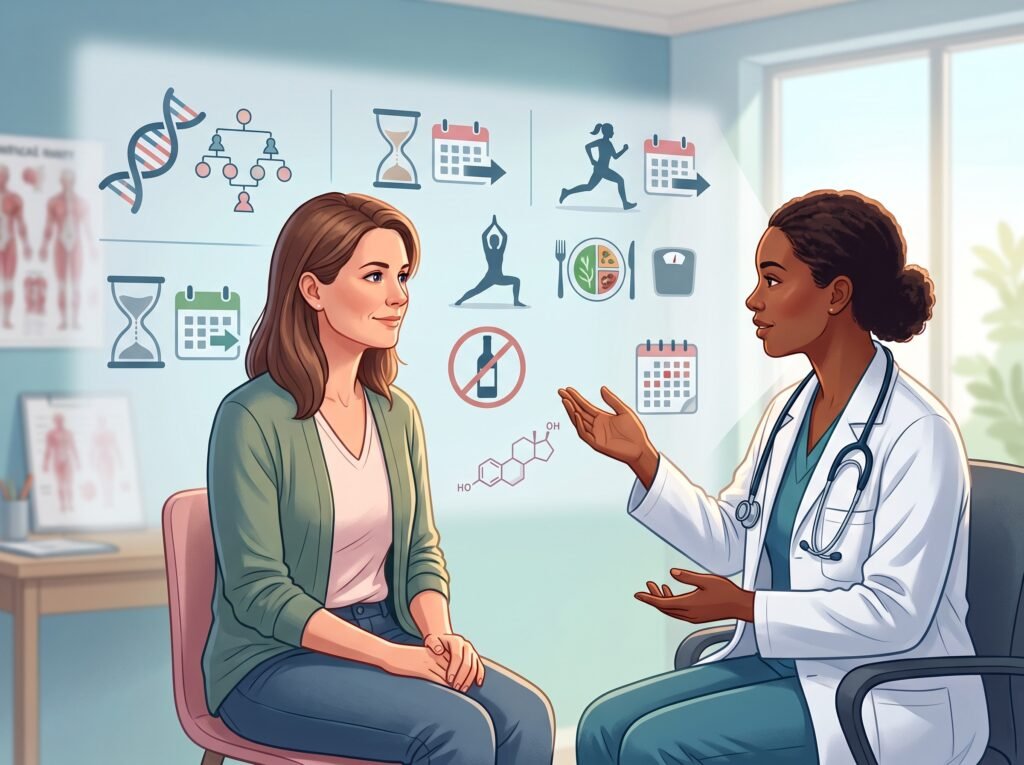
Age-based recommendations generally apply to people at average risk. Some individuals have a significantly higher risk of developing breast cancer and may need a personalized screening strategy.
Risk factors can include:
- A known harmful mutation in genes such as BRCA1 or BRCA2
- A strong family history of breast or certain other cancers
- A personal history of breast cancer
- Certain high-risk breast lesions found on previous biopsy
- Radiation treatment involving the chest at a young age
- Certain inherited cancer syndromes
- Other factors identified during a formal breast cancer risk assessment
The National Cancer Institute notes that harmful changes in genes such as BRCA1, BRCA2, PALB2, and PTEN, strong family history, and radiation to the chest before age 30 can be associated with substantially increased breast cancer risk.
If you have one or more significant risk factors, ask a healthcare professional whether you need a formal risk assessment or a different screening schedule.
What Happens During a Mammogram?
A mammogram is a relatively quick imaging procedure.
During the examination, each breast is positioned on the mammography equipment. The breast is briefly compressed between plates while X-ray images are obtained. Compression helps produce clear images while limiting movement and can reduce the amount of radiation needed. Some people experience pressure or temporary discomfort during compression. Telling the mammography technologist if you are uncomfortable can be helpful.
After the images are taken, a radiologist or qualified imaging professional interprets them and prepares a report.
What Is a 3D Mammogram?
You may hear the terms 3D mammogram or digital breast tomosynthesis (DBT).
Traditional digital mammography produces two-dimensional images. DBT obtains multiple images from different angles and reconstructs them into a three-dimensional representation of breast tissue.
Both digital mammography and DBT are recognized screening modalities. Which technology is available or recommended can depend on the facility, individual circumstances, and local clinical guidance.
Ask the imaging center or your healthcare professional what type of mammography is available and appropriate for you.
What If You Have Dense Breasts?
Breast density refers to the proportion of fibrous and glandular tissue compared with fatty tissue visible on a mammogram.
Dense breasts are common and are not the same thing as having a disease.
However, dense breast tissue can make some abnormalities more difficult to see on a mammogram. Breast density is also associated with an increased risk of breast cancer.
This creates an important screening question: should people with dense breasts automatically receive additional ultrasound or MRI screening?
Current evidence does not provide a universal answer for everyone. The USPSTF states that there is insufficient evidence to determine whether supplemental ultrasound or MRI provides a favorable overall balance of benefits and harms for women with dense breasts and an otherwise negative mammogram.
Your healthcare professional can consider breast density together with your other risk factors.
Mammogram vs. Other Breast Imaging Tests
A mammogram is not the only imaging test used in breast health.
Mammography
Mammography uses X-rays to create images of breast tissue and is the standard screening test for many people.
Breast Ultrasound
Ultrasound uses sound waves rather than X-rays.
It may be used to evaluate a specific breast finding or, in selected circumstances, as supplemental imaging. It is not simply a universal replacement for mammography.
Breast MRI
Breast MRI uses magnetic fields and radio waves to create detailed images.
MRI may be recommended for some people at substantially increased risk of breast cancer. It is generally not used as the routine screening test for every person.
The appropriate test depends on why imaging is being performed and the individual’s risk profile.
Screening Is Not the Same as Diagnosing Breast Symptoms
One of the most important things to understand about breast cancer detection is that you should not wait for your next routine mammogram if you notice a concerning breast change.
Possible symptoms that warrant medical evaluation can include:
- A new breast lump
- A new change in breast size or shape
- Skin dimpling or other unusual skin changes
- Nipple inversion that is new
- Unusual nipple discharge, particularly bloody discharge
- Persistent localized breast changes
- Swelling or a change around the underarm area
Many breast changes are caused by conditions other than cancer. However, a healthcare professional should evaluate a new or persistent change rather than assuming that it is harmless.
A screening mammogram is intended for people without symptoms; symptoms may require diagnostic evaluation.
What Are the Benefits and Limitations of Mammography?
Like other medical screening tests, mammography has benefits and limitations.
Potential benefits
Regular mammography can:
- Detect some breast cancers before they can be felt
- Help identify cancer at an earlier stage
- Reduce the risk of dying from breast cancer in populations for whom screening is recommended
Potential limitations
Screening can also result in:
- False-positive findings
- Additional imaging
- Biopsies that ultimately do not show cancer
- Overdiagnosis and overtreatment of some cancers that might not otherwise have caused symptoms
- False-negative results, meaning a cancer is not detected on a screening examination
This is why screening recommendations consider both benefits and potential harms.
A normal mammogram also does not guarantee that breast cancer is absent. If you develop a new breast symptom after a normal screening examination, contact a healthcare professional rather than waiting for the next scheduled screening.
How Family History Affects Breast Screening
A family history of breast cancer can affect risk, but having a relative with breast cancer does not automatically mean that you have a hereditary cancer syndrome.
Important details include:
- Which relatives had breast cancer
- Their ages when diagnosed
- Whether multiple relatives were affected
- Whether ovarian, pancreatic, prostate, or other related cancers occur in the family
- Whether genetic testing has identified a harmful inherited mutation
If breast cancer occurs repeatedly in a family or at unusually young ages, ask a healthcare professional whether genetic counseling or formal risk assessment may be appropriate.
How to Prepare for a Mammogram
Before an appointment, follow the imaging center’s instructions.
On the day of the examination:
- Avoid using deodorant, talcum powder, or certain lotions on the breast or underarm area if the facility instructs you not to, because some products can interfere with image interpretation.
- Wear clothing that is easy to remove from the waist up.
- Tell the technologist if you have breast implants.
- Mention if you are pregnant or think you may be pregnant.
- Tell the facility about previous mammograms performed at another location when applicable, so prior images can be compared.
If you have concerns about discomfort, ask the mammography staff what you can expect before the procedure begins.
How Often Should You Get Breast Cancer Screening?
There is no single screening schedule that applies to every person worldwide.
For example, the current USPSTF recommendation is every two years for average-risk women ages 40 to 74. Other professional organizations recommend annual screening beginning at age 40.
Some countries also operate organized national screening programs with different age ranges and intervals.
For this reason, your screening plan should consider:
- Your age
- Your personal medical history
- Your family history
- Any known genetic risk
- Previous breast biopsy results
- Previous radiation treatment
- Breast density
- Your healthcare system’s current guidelines
If you are unsure when your next mammogram is due, speak with your healthcare professional or local breast screening service.
Frequently Asked Questions
1. At what age should I start breast cancer screening?
For average-risk women in the United States, the USPSTF recommends starting mammography at age 40 and continuing every two years through age 74. Other medical organizations and countries may recommend different schedules.
2. How often should I get a mammogram?
The USPSTF currently recommends every two years for average-risk women ages 40 to 74. Some professional organizations recommend annual screening, so discuss the appropriate interval with your healthcare professional.
3. Can I get breast cancer even if my mammogram is normal?
Yes. Mammography can detect many breast cancers but cannot detect every cancer. A new or persistent breast change should be evaluated even after a recent normal mammogram.
4. Do women with dense breasts need additional screening?
Not automatically. Dense breasts can make some cancers harder to see and are associated with increased breast cancer risk, but evidence is currently insufficient to recommend supplemental ultrasound or MRI for everyone with dense breasts after a negative mammogram. Individual risk factors should be considered.
5. Is a mammogram painful?
Breast compression can cause pressure or temporary discomfort. The experience varies from person to person. If you are concerned about discomfort, tell the technologist before the examination.
6. Do I need a mammogram before age 40?
Routine screening before 40 is generally not recommended solely because of age for people at average risk. However, people with certain high-risk factors may need earlier screening or a different imaging strategy.
7. Should I wait for my next mammogram if I find a breast lump?
No. A new breast lump or other concerning breast change should be discussed with a qualified healthcare professional rather than waiting for the next routine screening appointment. Diagnostic testing may be appropriate.
Conclusion
Breast cancer screening is an important part of preventive healthcare, but the right schedule depends on age, risk factors, personal history, and the guidelines used in your healthcare system. For average-risk women in the United States, current USPSTF guidance recommends a mammogram every two years from ages 40 through 74. People with substantially increased risk may need earlier, more frequent, or additional screening.
A mammogram is an important tool for breast cancer detection, but it is not a substitute for medical evaluation of new breast symptoms. If you notice a lump, nipple change, unusual discharge, skin change, or another persistent concern, contact a qualified healthcare professional.
The most appropriate screening plan is one that takes your individual risk and current clinical guidance into account.