



























Cancer Prevention: What Can You Do to Lower Risk?

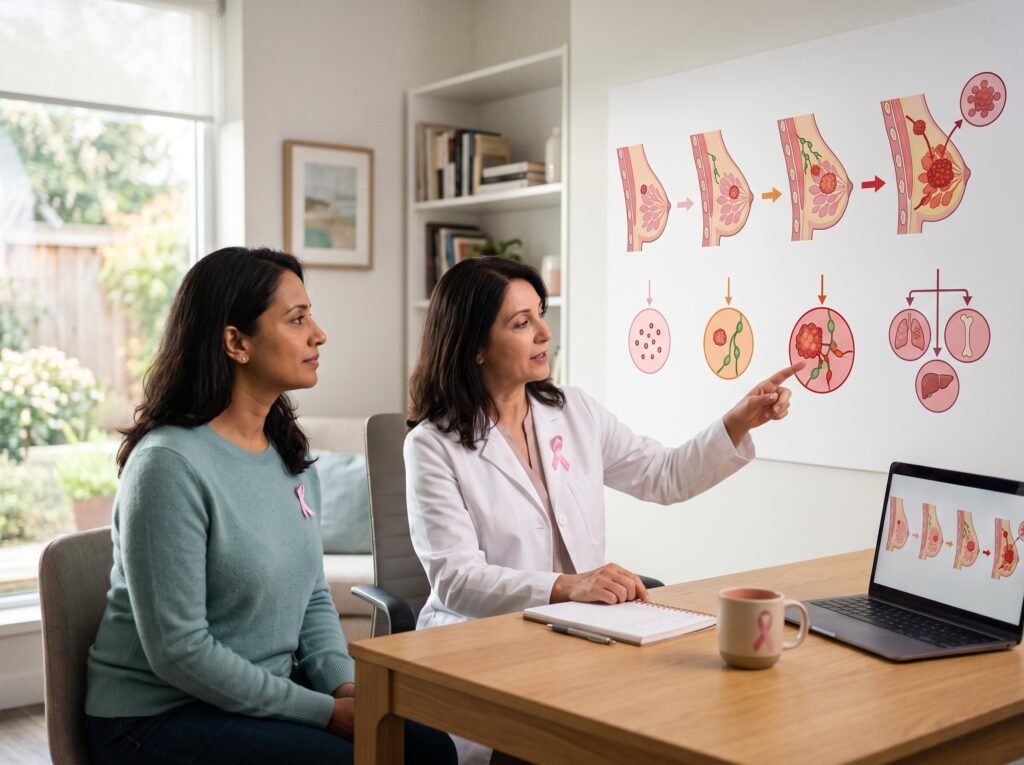
Cancer prevention means taking steps that may lower the chance of developing cancer. While no prevention strategy can eliminate cancer risk completely, many established risk factors can be modified. Avoiding tobacco, limiting alcohol, maintaining a healthy weight, staying physically active, protecting your skin from excessive ultraviolet radiation, getting recommended vaccines, and following appropriate cancer screening guidelines can all play a role.
Some cancer risks cannot be changed. Age, family history, inherited genetic changes, and certain past exposures may increase risk even when a person follows healthy habits. That is why cancer prevention is not about achieving a “perfect” lifestyle or guaranteeing that cancer will never occur. It is about reducing avoidable risks and using evidence-based strategies to protect health.
The World Health Organization and International Agency for Research on Cancer reported in 2026 that about 37% of new cancer cases globally in 2022 were linked to preventable causes, highlighting the potential impact of prevention strategies.
What Is Cancer Prevention?
Cancer prevention involves actions that reduce exposure to known cancer-causing factors or strengthen protective factors.
The National Cancer Institute describes cancer prevention as lowering the chance of developing cancer by addressing risk factors such as tobacco use, obesity, certain infections, radiation, and other environmental or lifestyle factors.
Cancer develops through complex interactions involving genetics, environmental exposures, infections, lifestyle factors, and other biological processes. Because these factors differ among individuals and cancer types, there is no single approach that prevents every cancer.
A practical cancer prevention strategy combines several areas:
- Avoid tobacco and secondhand smoke
- Limit or avoid alcohol
- Maintain a healthy body weight
- Stay physically active
- Eat a balanced, nutritious diet
- Protect your skin from excessive UV radiation
- Keep recommended vaccinations up to date
- Follow appropriate cancer screening recommendations
- Reduce avoidable exposure to known carcinogens
- Discuss significant family history with a healthcare professional
Cancer Prevention Tips That Can Make a Difference
1. Do Not Use Tobacco
Avoiding tobacco is one of the most important cancer prevention tips.
Smoking and other forms of tobacco use are strongly associated with multiple cancers, including lung, mouth, throat, esophageal, pancreatic, bladder, kidney, stomach, liver, colorectal, and cervical cancers.
Secondhand smoke also exposes nonsmokers to cancer-causing substances.
If you currently use tobacco, quitting can reduce health risks. A healthcare professional can help identify evidence-based tobacco cessation resources, medications, or counseling options that may be appropriate.
Avoiding tobacco entirely is preferable to starting and later trying to quit, but quitting at any age can still provide health benefits.
2. Limit Alcohol Consumption
Alcohol is an established cancer risk factor. It is associated with several cancers, including cancers of the breast, liver, colon and rectum, mouth, throat, and esophagus. WHO identifies alcohol as a carcinogen and notes that cancer risk generally increases as alcohol consumption increases.
For cancer prevention, less alcohol is better, and not drinking eliminates alcohol-related cancer risk.
If you drink alcohol, consider discussing your consumption with a qualified healthcare professional, particularly if you have other cancer risk factors or health conditions.
3. Maintain a Healthy Body Weight
Excess body weight is associated with an increased risk of several cancers. CDC identifies overweight and obesity as being linked with a higher risk of 13 types of cancer.
Maintaining a healthy weight is therefore one part of long-term cancer risk reduction.
Healthy weight management does not require extreme diets or rapid weight loss. Sustainable habits such as regular physical activity and a balanced eating pattern are more practical approaches for many people.
If you have difficulty managing your weight or have an underlying health condition, a qualified healthcare professional or registered dietitian can provide individualized guidance.
4. Stay Physically Active
Regular physical activity is associated with a lower risk of certain cancers and supports overall health.
You do not necessarily need an intense exercise program. Activities such as:
- Brisk walking
- Cycling
- Swimming
- Dancing
- Recreational sports
- Strength training
- Active household or outdoor activities
can contribute to an active lifestyle.
The important goal is to reduce prolonged inactivity and make regular movement part of your routine.
Physical activity also supports healthy weight management, cardiovascular health, and metabolic health, making it a useful component of broader healthy habits.
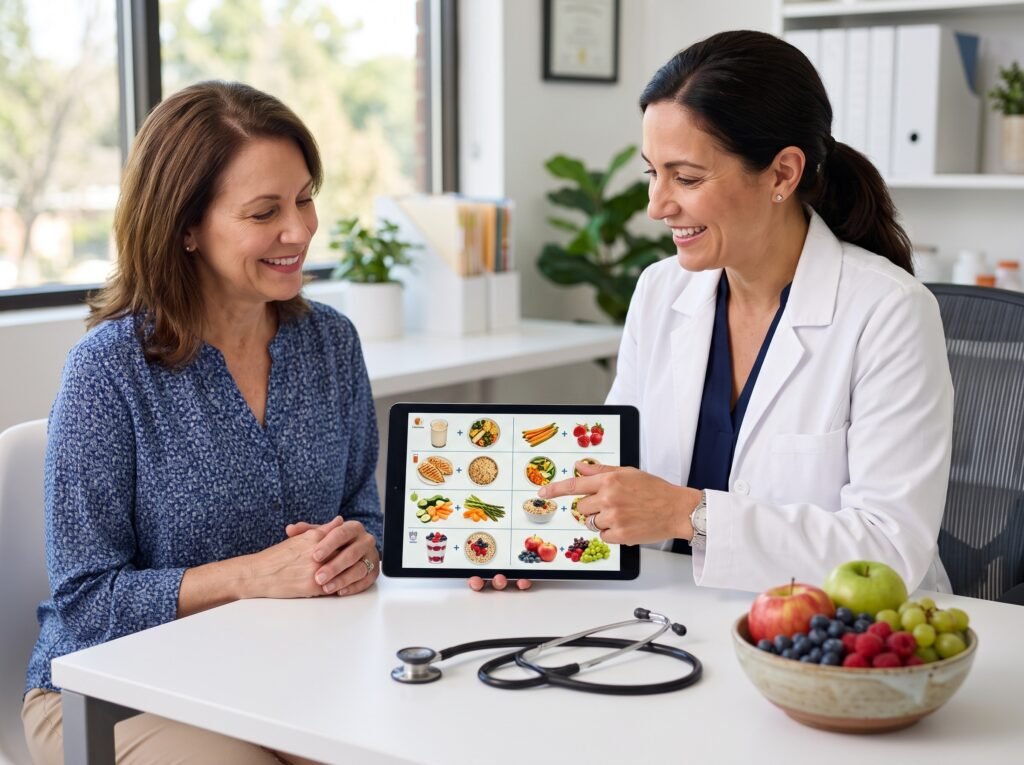
5. Eat a Balanced, Nutrient-Rich Diet
Diet is one factor that can influence cancer risk, although no individual food can guarantee cancer prevention.
A balanced eating pattern can emphasize:
- Vegetables and fruits
- Whole grains
- Beans and other legumes
- Nuts and seeds
- Other minimally processed foods
- Appropriate sources of protein
It is also sensible to limit excessive intake of highly processed foods, foods high in saturated fat, and foods with large amounts of added sugar.
A healthy diet should be considered part of an overall pattern rather than a list of “cancer-fighting” foods. No particular food, juice, supplement, or dietary product has been established as a universal way to prevent cancer.
6. Protect Your Skin From Excessive UV Exposure
Ultraviolet radiation from sunlight and artificial tanning devices can damage skin cells and increase the risk of skin cancer.
Useful protective measures include:
- Seeking shade when UV exposure is high
- Wearing protective clothing
- Using a wide-brimmed hat when appropriate
- Wearing sunglasses that provide UV protection
- Applying broad-spectrum sunscreen as directed
- Avoiding indoor tanning devices
WHO identifies ultraviolet radiation as a preventable cancer risk factor and recommends reducing excessive exposure.
Sun protection is particularly important when spending extended periods outdoors.
7. Get Recommended Cancer-Related Vaccinations
Certain infections can increase cancer risk. Vaccination can help prevent some of these infections and therefore contribute to cancer prevention.
HPV vaccination
Human papillomavirus (HPV) can cause several cancers, including cervical, anal, penile, vulvar, vaginal, and oropharyngeal cancers.
The HPV vaccine protects against HPV types that cause many HPV-associated cancers. CDC recommends routine vaccination during adolescence, with catch-up vaccination through age 26 for people who were not adequately vaccinated earlier. Some adults ages 27–45 may consider vaccination after discussing potential benefits with a healthcare professional.
HPV vaccination prevents new HPV infections; it does not treat an existing HPV infection. It also does not replace recommended cervical cancer screening.
Hepatitis B vaccination
Chronic hepatitis B infection can cause liver damage and increase the risk of liver cancer. Hepatitis B vaccination helps prevent infection and is an important cancer prevention measure.
Vaccination recommendations can vary according to age, health history, occupation, and other factors, so discuss your vaccination needs with a qualified healthcare professional.
8. Follow Recommended Cancer Screening
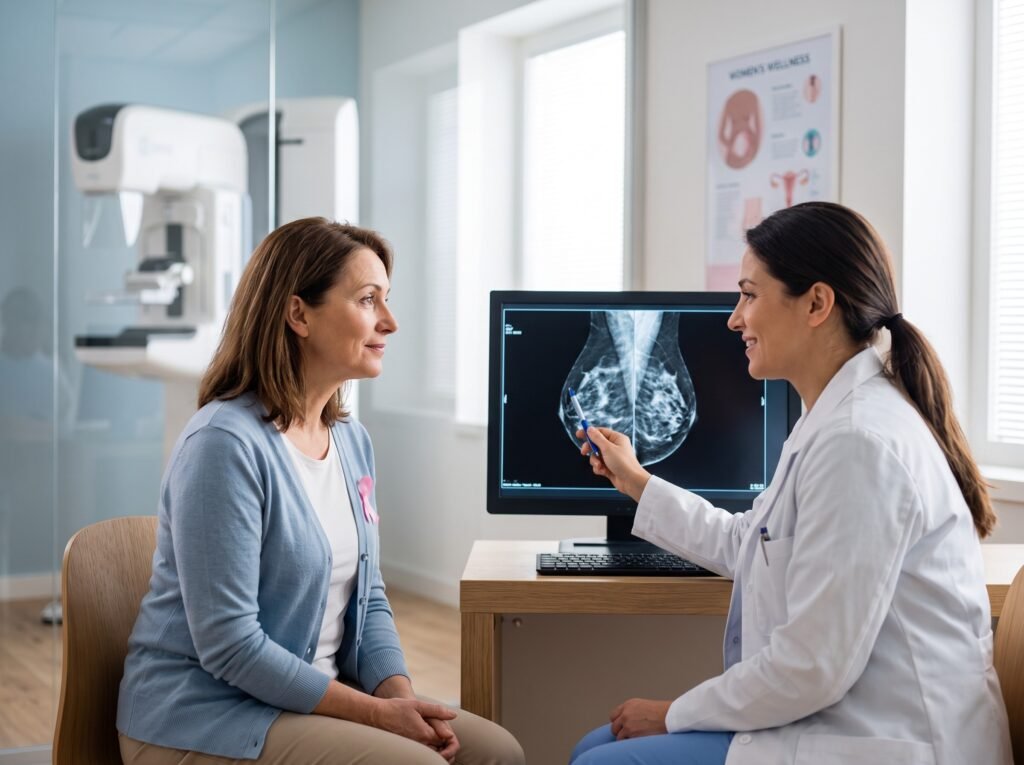
Screening does not prevent every cancer, but it can detect certain cancers early. Some screening tests can also identify precancerous changes that can be treated before cancer develops.
The National Cancer Institute identifies established screening approaches for cancers including breast, cervical, colorectal, and lung cancer in appropriate populations.
Examples include:
| Cancer | Screening Example | Important Consideration |
| Breast cancer | Mammography | Recommendations depend on age and individual risk |
| Cervical cancer | HPV testing and/or Pap testing | Screening schedules depend on age and health history |
| Colorectal cancer | Stool tests or colonoscopy and other approved methods | Regular screening can detect cancer and some precancerous growths |
| Lung cancer | Low-dose CT | Intended for certain people with significant smoking histories |
Screening recommendations differ by country and may change according to age, family history, previous test results, and other risk factors.
For example, NCI notes that colorectal screening can identify certain polyps that may be removed before they develop into cancer, while cervical screening can identify abnormal cells that can be treated before cervical cancer develops.
Screening should therefore be based on recognized guidelines and individual risk rather than simply having as many tests as possible.
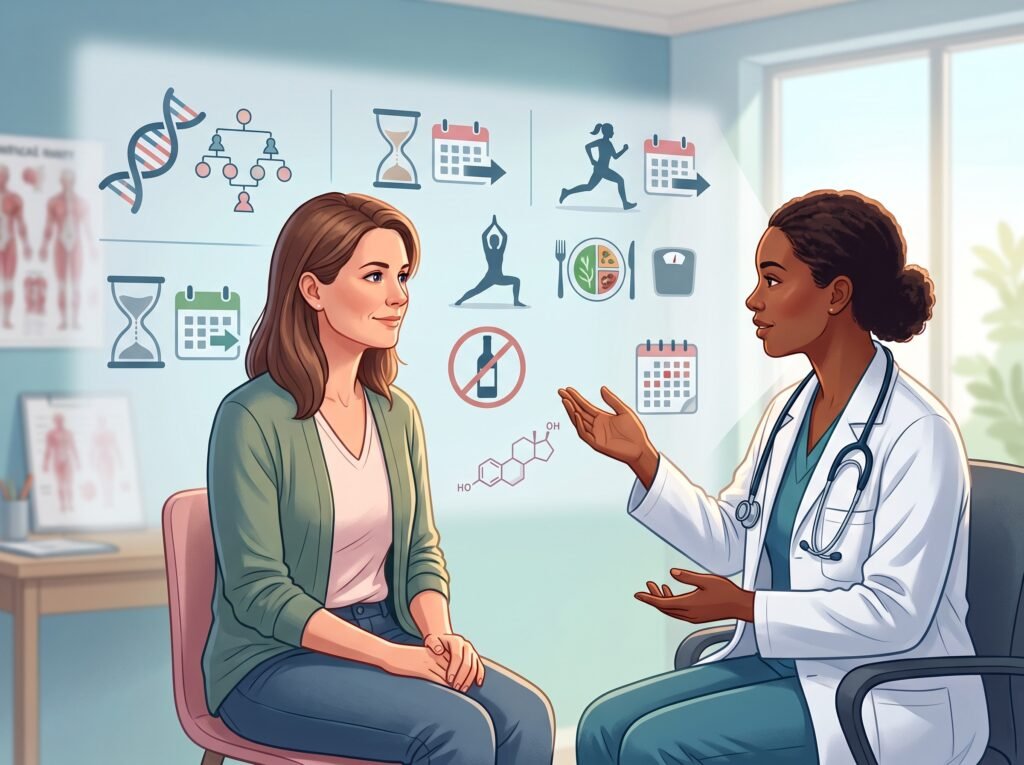
9. Know Your Family History
Some people inherit genetic changes that increase their risk of particular cancers.
A family history of cancers occurring at unusually young ages, multiple relatives with the same or related cancers, or certain patterns of cancer across generations may warrant discussion with a healthcare professional or genetic counselor.
NCI notes that family history can be a sign of a possible inherited cancer syndrome.
Knowing your family history can help healthcare professionals determine whether you may need:
- Earlier or more frequent screening
- Genetic counseling
- Genetic testing
- Specialized surveillance
- Other risk-management strategies
Having a family history does not mean that a person will definitely develop cancer. Likewise, someone without a known family history can still develop cancer.
10. Reduce Exposure to Known Carcinogens
Some cancer risks come from the environment or workplace rather than personal lifestyle choices.
Examples include certain:
- Industrial chemicals
- Asbestos
- Ionizing radiation
- Radon
- Air pollutants
- Occupational carcinogens
WHO identifies occupational exposures, air pollution, radon, and radiation among cancer risk factors.
If your work involves potentially hazardous substances, follow workplace safety procedures and use appropriate protective equipment.
For concerns about a specific occupational exposure, an occupational health professional or qualified healthcare provider can help assess the situation.
Modifiable vs. Nonmodifiable Cancer Risk Factors
Not every cancer risk can be controlled.
| Modifiable Factors | Factors That May Not Be Modifiable |
| Tobacco use | Age |
| Alcohol consumption | Family history |
| Physical inactivity | Inherited genetic changes |
| Excess body weight | Some past exposures |
| UV exposure | Certain biological factors |
| Some infection risks | Personal medical history |
| Certain occupational exposures | Some environmental circumstances |
This distinction matters because cancer prevention should not create unnecessary guilt.
Someone can follow healthy habits and still develop cancer. Conversely, a person with several risk factors may never develop the disease.
The purpose of prevention is to reduce risks that can reasonably be changed—not to assign blame for cancer.
Can Healthy Habits Prevent All Cancer?
No.
There are many different types of cancer, and they have different causes and risk factors. Some cancers are strongly associated with preventable exposures, while others may occur because of factors that are not fully understood or cannot be changed.
NCI emphasizes that some cancer risk factors can be avoided while others, such as age and inherited genetic factors, cannot.
Healthy habits can lower risk, but they cannot provide a guarantee.
This is why prevention and early detection work together. Maintaining healthy habits does not replace appropriate medical care or recommended screening.
A Practical Cancer Prevention Checklist
Instead of trying to change everything at once, focus on sustainable habits.
Everyday habits
- Avoid tobacco products and secondhand smoke.
- Choose nutritious foods most of the time.
- Stay physically active.
- Work toward a healthy body weight.
- Protect your skin from excessive UV exposure.
- Avoid or limit alcohol.
- Follow recommended vaccination schedules.
Healthcare habits
- Keep up with appropriate cancer screening.
- Know your personal and family medical history.
- Discuss unusual or persistent symptoms with a healthcare professional.
- Ask about genetic counseling if your family history suggests increased inherited risk.
- Follow recommended care for chronic infections or other conditions associated with cancer risk.
Workplace and environmental habits
- Follow occupational safety requirements.
- Use appropriate protective equipment.
- Reduce unnecessary exposure to known carcinogens.
- Discuss significant occupational exposures with an appropriate health professional.
When Should You Talk With a Healthcare Professional?
Cancer prevention is especially worth discussing with a healthcare professional if you have:
- A strong family history of cancer
- A known inherited cancer-related genetic change
- A history of cancer or precancerous conditions
- Significant tobacco exposure
- A substantial occupational exposure
- Chronic viral hepatitis or another infection associated with cancer
- Questions about recommended screening
- Questions about vaccination
- New, persistent, or unusual symptoms
Screening is intended for people without symptoms, while new or concerning symptoms may require diagnostic evaluation rather than routine screening. NCI recommends discussing screening decisions with a healthcare professional based on individual circumstances.
FAQs About Cancer Prevention
1. What is cancer prevention?
Cancer prevention involves actions that lower the risk of developing cancer. These include avoiding tobacco, limiting alcohol, maintaining a healthy weight, being physically active, protecting the skin from excessive UV exposure, preventing certain infections, and following appropriate screening recommendations.
2. What are the most important cancer prevention tips?
Important cancer prevention tips include avoiding tobacco, limiting alcohol, staying active, maintaining a healthy weight, eating a balanced diet, protecting yourself from excessive UV radiation, getting recommended vaccinations, and following appropriate screening guidelines.
3. Can a healthy lifestyle completely prevent cancer?
No. Healthy habits can lower the risk of certain cancers, but they cannot eliminate cancer risk completely. Age, genetics, family history, and other factors that cannot always be controlled also influence cancer risk.
4. Does the HPV vaccine help prevent cancer?
Yes. HPV vaccination helps prevent infections caused by HPV types that can lead to several cancers. However, the vaccine does not treat existing HPV infections and does not replace recommended cervical cancer screening.
5. Does alcohol increase cancer risk?
Yes. Alcohol consumption is associated with an increased risk of several cancers. In general, reducing alcohol consumption reduces alcohol-related cancer risk, with no alcohol providing the lowest alcohol-related cancer risk.
6. Can cancer screening prevent cancer?
Some screening tests can help prevent certain cancers by identifying precancerous changes before they become cancer. Screening can also find some cancers at an earlier stage. The appropriate screening depends on the cancer type, age, risk factors, and applicable guidelines.
7. Does having a family history mean I will develop cancer?
No. A family history can increase the risk of some cancers, but it does not mean cancer is inevitable. If several close relatives have had cancer or cancers occurred unusually early, discuss your family history with a qualified healthcare professional or genetic counselor.
Conclusion
Cancer prevention is about reducing avoidable risks while recognizing that not every cancer can be prevented. Avoiding tobacco, limiting alcohol, staying physically active, maintaining a healthy weight, eating a balanced diet, protecting your skin from excessive UV exposure, receiving appropriate vaccinations, and following recommended screening guidelines are practical ways to lower certain aspects of cancer risk.
Healthy habits cannot guarantee that cancer will not occur, and they should never be used to blame people who develop the disease. Prevention works best as a long-term approach that combines healthy choices, appropriate medical care, screening, vaccination, and awareness of personal and family risk factors.
If you have a significant family history, previous cancer, an important occupational exposure, or questions about your individual risk, speak with a qualified healthcare professional for personalized guidance.