


























































How to Support Someone With Cancer: Practical Tips for Families


Learning that someone you love has cancer can change everyday life for the entire family. You may want to help but not know what to say, what tasks to take over, or how much support is appropriate. Knowing how to support someone with cancer does not mean having all the answers. Often, meaningful support involves listening, helping with practical responsibilities, respecting the person’s choices, staying connected, and working with the healthcare team when questions or concerns arise.
A family member or close friend may become a cancer caregiver, helping with appointments, transportation, meals, household responsibilities, medications or other care tasks as directed by the healthcare team, and emotional support. The exact role varies depending on the person’s health, treatment, preferences, and available support.
This guide explains practical ways families can provide family support while also protecting their own physical and emotional well-being.
What Is the Best Way to Support Someone With Cancer?
The most helpful approach is usually to ask what the person needs rather than assuming.
Support may include:
- Listening without immediately trying to solve the problem
- Accompanying them to appointments when they want help
- Helping with meals, shopping, transportation, or household tasks
- Keeping track of questions for the healthcare team
- Respecting their treatment decisions and independence
- Staying connected even when you do not know what to say
- Helping coordinate assistance from other family members
- Watching for changes that should be discussed with healthcare professionals
- Taking care of your own health so you can provide sustainable support
Cancer affects people differently, so there is no single caregiving approach that works for every family.
1. Listen and Let the Person Lead
One of the simplest ways to provide support is to listen.
A person with cancer may want to talk about treatment, fear, work, family responsibilities, finances, or everyday frustrations. At other times, they may want to talk about completely ordinary things.
Try to avoid assuming that every conversation needs to be about cancer.
Helpful phrases can include:
- “I’m here if you want to talk.”
- “What would be most helpful today?”
- “Would you like me to listen or help you think through the problem?”
- “Do you want company, or would you prefer some quiet time?”
- “Is there anything you would like me to help with this week?”
You do not have to provide a perfect response. Being present and listening can be valuable forms of support.
2. Respect Independence and Personal Choices
Cancer can affect a person’s routine and sense of independence. Family members may naturally want to take over tasks, but doing everything for someone can sometimes make them feel less independent.
Whenever possible, ask before taking over.
For example, instead of automatically handling an appointment, you could ask whether the person would like you to schedule it, accompany them, or simply remind them about it.
The person with cancer should remain involved in decisions about their care to the extent that they are able and want to be. Families can provide information, practical assistance, and emotional support without assuming control over decisions that belong to the patient and healthcare team.
3. Offer Specific Practical Help
Saying “Let me know if you need anything” is kind, but someone dealing with cancer may not have the energy to organize requests.
Specific offers can be easier to accept.
You might offer to:
- Prepare or deliver a meal
- Pick up groceries
- Drive them to an appointment
- Collect prescriptions or supplies
- Help with laundry
- Handle routine household tasks
- Care for children or pets
- Coordinate visits from relatives
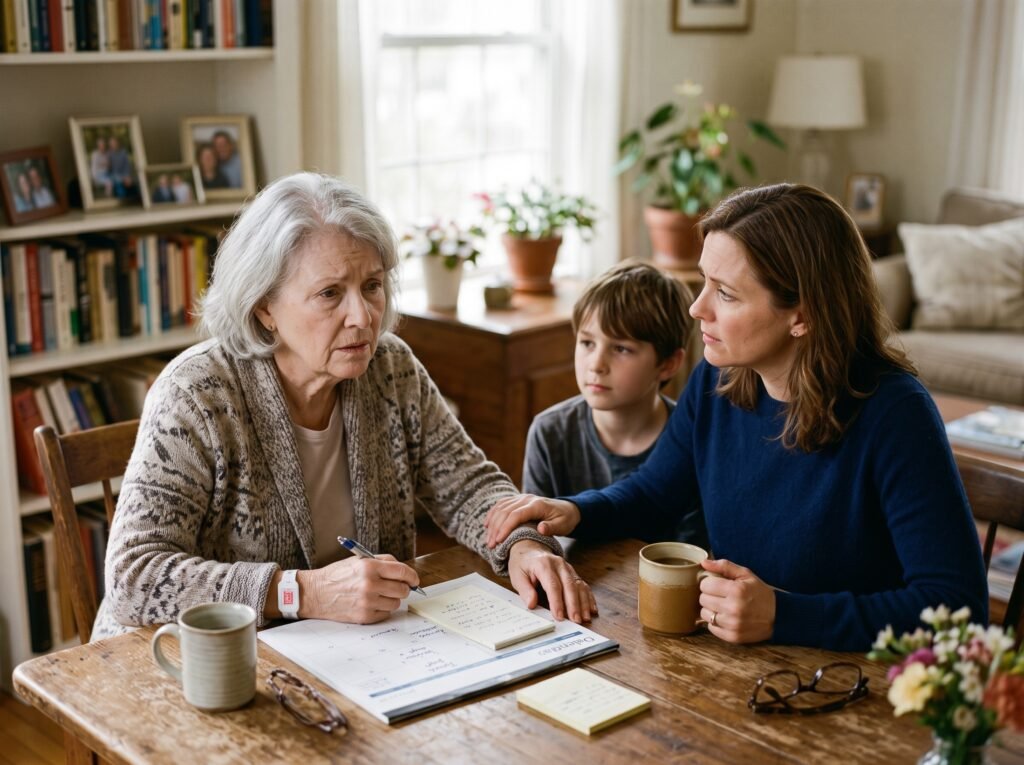
- Keep a shared calendar
- Help organize questions for the healthcare team
NCI recommends that caregivers assess what they can realistically do and share appropriate responsibilities with other people rather than trying to manage everything alone.
4. Help With Cancer Care Without Becoming the Doctor
A family caregiver may become involved in many aspects of cancer care, particularly when treatment creates new daily responsibilities.
However, caregivers should not feel that they need to become medical experts.
If the healthcare team has asked the patient or caregiver to perform a specific task at home, make sure you understand the instructions. Ask questions when something is unclear.
Useful questions for the healthcare team may include:
- What should we expect after this treatment?
- Which symptoms should we report?
- Who should we contact if a problem occurs?
- Are there specific instructions for medicines or home care?
- When should we seek urgent medical attention?
- What follow-up appointments are needed?
Do not change prescribed medications, doses, or treatment plans based solely on advice from friends, social media, or online sources. Medical questions should be directed to the patient’s qualified healthcare professionals.
5. Go to Appointments When Helpful
If the person wants you there, attending appointments can be useful.
You may help by:
- Writing down questions beforehand
- Taking notes during the discussion
- Helping remember instructions
- Organizing appointment dates
- Asking permission to receive information about the person’s care
- Helping the patient communicate concerns
Before an appointment, ask the person what role they want you to have.
Some people want an active advocate. Others prefer to speak for themselves and have a family member simply provide transportation or emotional support.
Respecting that preference is part of good caregiving.
6. Be Careful With Cancer Advice and Information
When someone has cancer, families may encounter an overwhelming amount of information about diets, supplements, alternative treatments, medications, and personal stories.
Not everything shared online is reliable or appropriate for every cancer or treatment.
If you find information that seems important, consider discussing it with the person’s oncology or healthcare team before making changes.
This is especially important for supplements and complementary therapies because some products or approaches can interfere with cancer treatment or may not be appropriate for a particular person.
Your role is not to find a guaranteed treatment. Your role can be to help the person find reliable information and communicate effectively with qualified professionals.
7. Make Everyday Life Feel Normal When Possible
Cancer can take up a great deal of attention, but the person is still a person with interests, relationships, preferences, and routines.
Whenever appropriate, continue ordinary activities.
You might:
- Watch a favorite movie together
- Share a meal
- Take a short walk if the person feels able
- Talk about hobbies
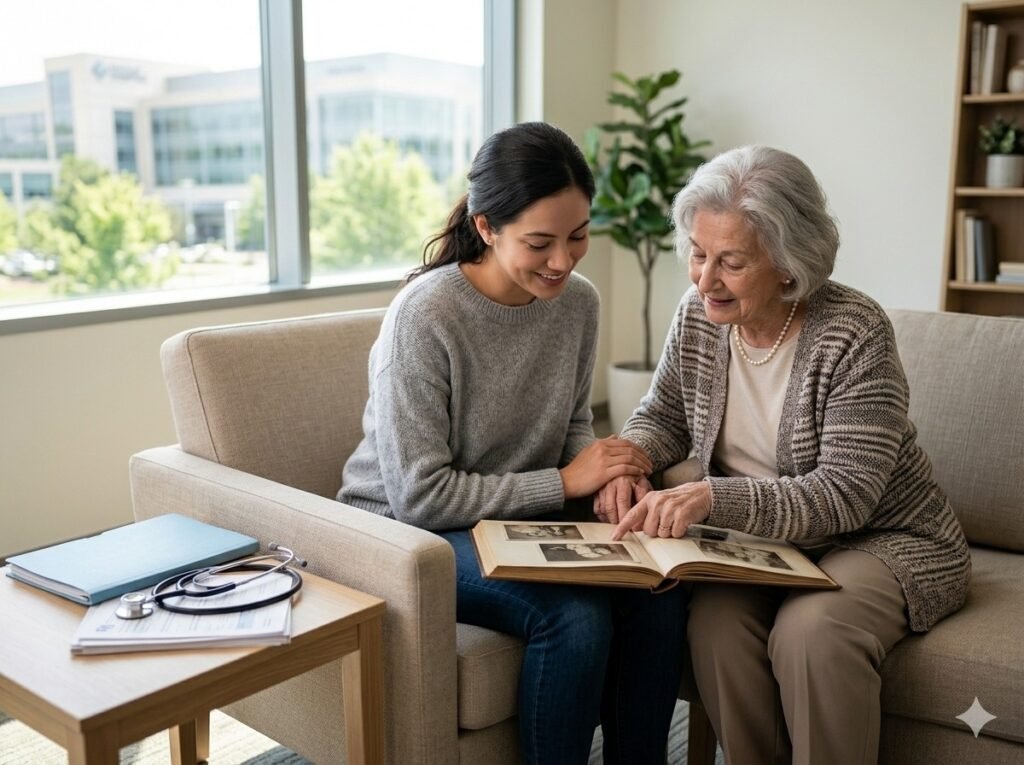
- Look through photographs
- Listen to music
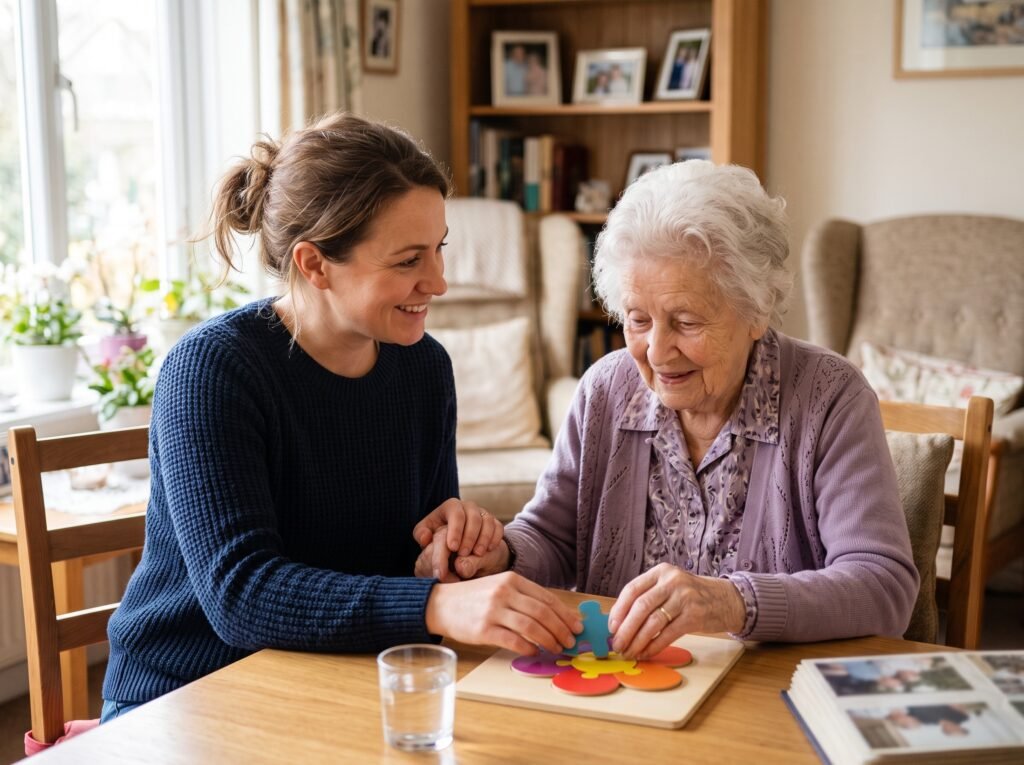
- Play a game
- Sit together without discussing treatment
Not every interaction needs to be positive or cheerful. The goal is to preserve connection and give the person opportunities to experience ordinary moments.
8. Communicate Honestly With Family Members
Cancer can create confusion when different relatives receive different information.
A family communication plan can help.
With the patient’s permission, consider creating:
| What to organize | Example |
| Appointment information | Dates, times, locations |
| Contact information | Healthcare team and emergency contacts |
| Family responsibilities | Transportation, meals, shopping |
| Questions | Items to discuss at the next appointment |
| Updates | Who will communicate information to relatives |
| Practical needs | Childcare, household tasks, errands |
Privacy matters. Do not share someone’s medical information with other people without appropriate permission.
For larger families, one designated contact person may reduce repeated phone calls and allow the patient to focus on rest and care.
9. Encourage Support Without Pressuring the Person
Support groups, counseling, social workers, spiritual care, and community resources can be helpful for some people.
But not everyone wants a support group or counseling.
Instead of saying, “You need therapy,” consider:
“Would you like me to help you find someone to talk to?”
The healthcare team may be able to connect patients and families with social workers, counselors, support groups, financial resources, transportation services, or other community assistance.
NCI notes that support needs can change during treatment and afterward, and caregivers may benefit from professional or peer support when they feel overwhelmed.
10. Pay Attention to Changes That Need Professional Help
Family members often notice changes because they spend significant time with the person.
If you notice a new or worsening symptom, significant change in behavior, difficulty managing medicines, or another concern, communicate it to the appropriate healthcare professional.
Do not assume that every new symptom is caused by cancer or treatment, and do not attempt to diagnose the problem yourself.
For urgent or severe symptoms, follow the instructions provided by the patient’s healthcare team or seek emergency medical care when appropriate.
11. Share the Caregiving Responsibilities
One person does not have to do everything.
NCI specifically encourages caregivers to consider which tasks can be shared with relatives, friends, community organizations, or professional services.
A simple division of responsibilities might look like:
- Family member A: Transportation
- Family member B: Grocery shopping
- Family member C: Meal preparation
- Family member D: Appointment calendar
- Friend: Weekly check-in
- Neighbor: Occasional errands
Delegating tasks can make support more sustainable and reduce the risk that one caregiver becomes overwhelmed.
12. Take Care of Yourself as a Cancer Caregiver
Supporting someone with cancer can be emotionally and physically demanding. Caregivers may experience stress, fatigue, anxiety, sadness, sleep problems, or difficulty maintaining their usual routines.
Taking care of yourself is not selfish. It is part of sustainable caregiving.
Make Time for Basic Needs
Try to protect time for:
- Regular meals
- Adequate sleep
- Physical activity appropriate for your health
- Medical appointments
- Personal relationships
- Work responsibilities when possible
- Activities that help you relax
NCI recommends making time for yourself, maintaining aspects of your normal routine when possible, asking others for help, and seeking support when needed.
Recognize When You Are Overwhelmed
If stress, sadness, anxiety, sleep problems, or other concerns are interfering with daily life, consider talking with a healthcare professional, counselor, social worker, or another qualified support provider.
Caregiver support is relevant during treatment and after treatment ends. The transition after treatment can bring its own emotions and practical adjustments.
13. Supporting Someone With Cancer From a Distance
You do not have to live nearby to provide meaningful support.
Long-distance family members can help by:
- Calling or video chatting regularly
- Helping organize appointments remotely
- Coordinating relatives
- Arranging meal or grocery deliveries
- Helping with paperwork or scheduling
- Staying in contact with local caregivers
- Maintaining a shared calendar or information system
- Visiting when practical
NCI notes that long-distance caregivers can contribute as care coordinators and problem-solvers even when they cannot provide hands-on assistance every day.
What Not to Say to Someone With Cancer
Even well-intended comments can sometimes make a difficult situation harder.
Try to avoid statements such as:
- “You just need to stay positive.”
- “Everything happens for a reason.”
- “I know exactly how you feel.”
- “You should try this treatment I heard about.”
- “At least you have…”
- “You don’t look sick.”
Instead, acknowledge the person’s experience.
You could say:
- “I’m here with you.”
- “That sounds really difficult.”
- “You don’t have to go through this alone.”
- “How can I help today?”
- “It’s okay if you don’t feel like talking.”
There is no perfect sentence. Genuine presence often matters more than finding the perfect words.
A Simple Family Support Checklist
Families can use this checklist to organize practical support:
- Ask the person what kind of help they want.
- Respect their decisions and independence.
- Keep important appointments organized.
- Write down questions for healthcare visits.
- Share household and caregiving responsibilities.
- Protect the patient’s privacy.
- Use reliable cancer information sources.
- Discuss medical concerns with the healthcare team.
- Watch for symptoms that require professional attention.
- Make time for normal activities and relationships.
- Take regular breaks from caregiving.
- Ask for help before becoming overwhelmed.
- Seek professional support when needed.
FAQs About Supporting Someone With Cancer
1. What is the best way to support someone with cancer?
Start by asking what the person needs. Practical assistance, emotional support, transportation, help with household tasks, appointment support, and simply listening can all be valuable. The right type of support depends on the person’s preferences and circumstances.
2. What should a cancer caregiver do?
A cancer caregiver may help with daily activities, transportation, appointments, household responsibilities, communication, and emotional support. Some caregivers may also assist with specific healthcare tasks when properly instructed by the healthcare team.
3. What should you say to someone who has cancer?
You do not need to find perfect words. Simple statements such as “I’m here for you” or “What would be most helpful today?” can communicate support without making assumptions about how the person feels.
4. How can family members help during cancer treatment?
Family members can share responsibilities such as transportation, meals, shopping, childcare, household tasks, appointment organization, and communication. The patient should be asked what assistance they want rather than having relatives automatically take over.
5. How can a cancer caregiver avoid burnout?
Caregivers can reduce strain by sharing responsibilities, maintaining basic routines, taking breaks, staying connected with supportive people, and seeking professional or peer support when needed. NCI emphasizes that caregivers also need to care for their own physical and emotional well-being.
6. Can I help someone with cancer from another city or country?
Yes. Long-distance caregivers can help coordinate appointments, communicate with family members, arrange practical services, provide emotional support, and stay connected with local caregivers and the healthcare team when appropriate.
7. When should a cancer caregiver contact a healthcare professional?
Contact the patient’s healthcare team when you have concerns about new or worsening symptoms, medication instructions, treatment side effects, home-care tasks, or other changes that may require medical guidance. For emergencies, follow the patient’s emergency instructions or seek emergency medical care.
Conclusion
Learning how to support someone with cancer is less about doing everything and more about providing the right help at the right time. Listen to your loved one, respect their independence, offer specific practical assistance, communicate with the healthcare team when appropriate, and involve other family members rather than carrying the entire responsibility alone.
Good family support also includes caring for the caregiver. Taking breaks, maintaining your health, asking for help, and seeking professional support when needed can make caregiving more sustainable. Cancer care can be a long and changing journey. By staying present, communicating openly, and responding to the person’s actual needs, families can provide meaningful support without losing sight of their own well-being.