































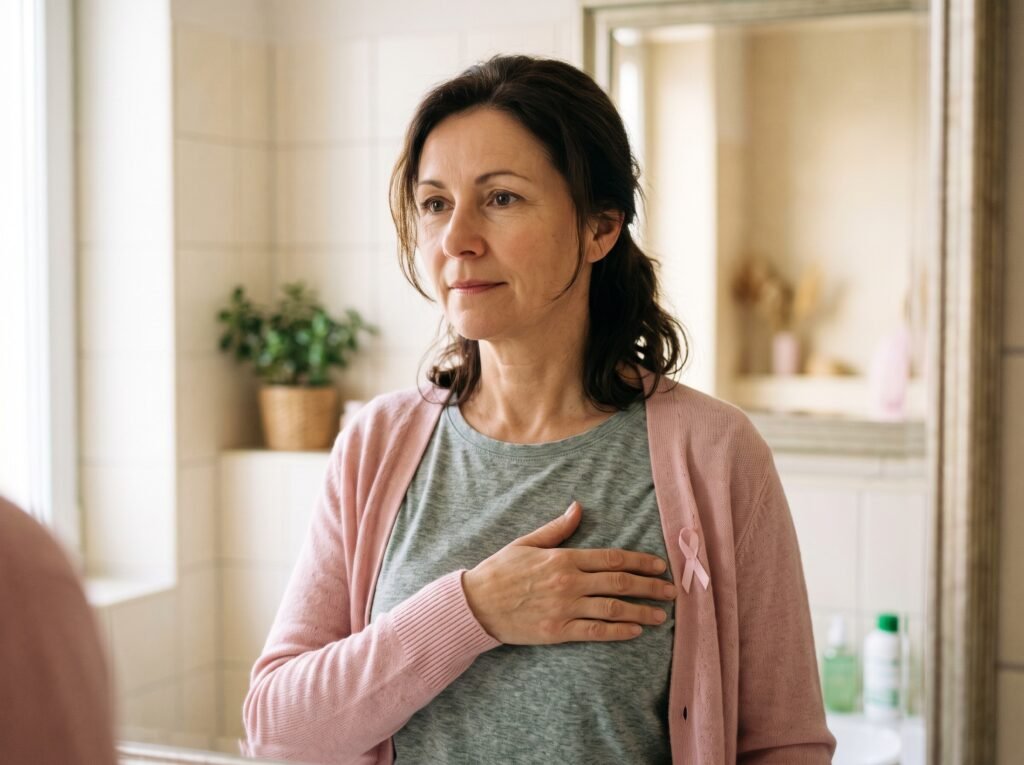


















What Is Menopause? Symptoms, Stages, Causes and Treatment


If you are wondering what is menopause, it is a natural stage of life that marks the permanent end of menstrual periods and reproductive years. Menopause is not a disease or illness. It happens as the ovaries gradually produce less estrogen and progesterone, causing menstrual cycles to become irregular and eventually stop.
Menopause itself is officially reached after 12 consecutive months without a menstrual period, when the absence of periods is not explained by another cause. The years leading up to menopause are called perimenopause, or the menopausal transition. Most women experience this transition during their 40s and 50s, although the timing varies.
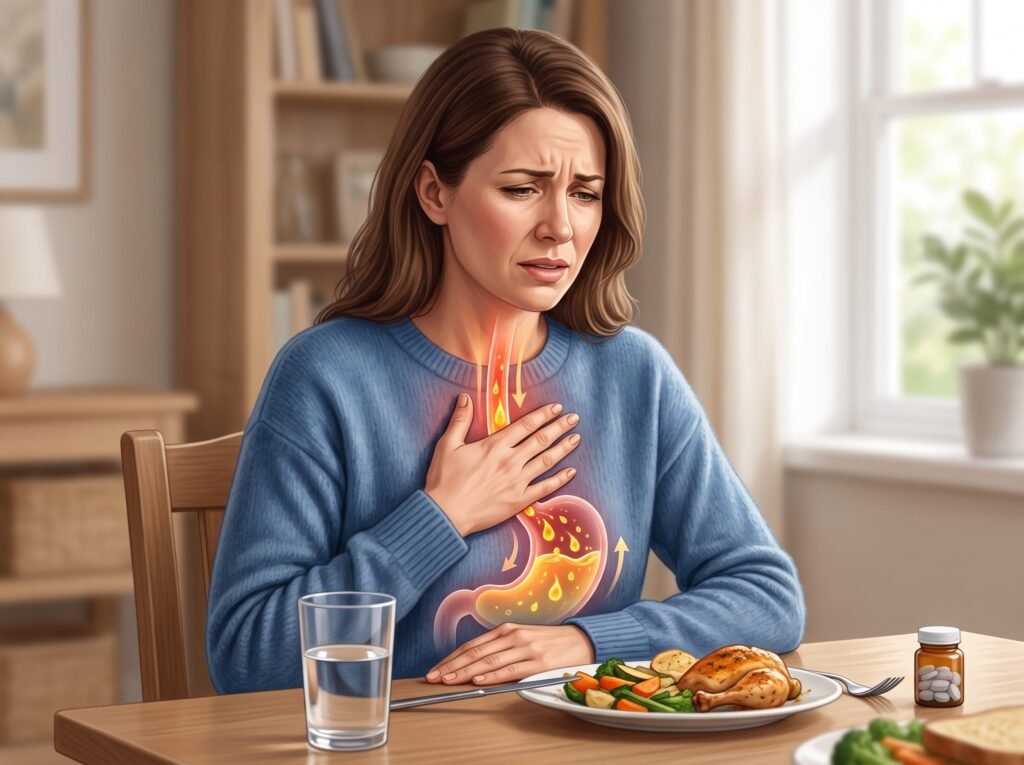
Some people experience few symptoms, while others have hot flashes, night sweats, sleep problems, mood changes, vaginal dryness, urinary symptoms, or changes in concentration and memory.
Understanding the menopause symptoms, menopause stages, causes, and treatment options can make this transition easier to recognize and discuss with a healthcare professional.
What Is Menopause?
Menopause occurs when the ovaries stop releasing eggs regularly and hormone production declines enough for menstrual periods to stop permanently.
It is a normal biological transition rather than a medical disorder.
The timing is different for every person. Most women begin the menopausal transition between ages 45 and 55, although menopause can occur earlier or later. The average age of menopause in the United States is around 52.
Menopause can also happen because of medical treatment or surgery. For example, removal of both ovaries can cause menopause to occur suddenly rather than gradually.
Menopause Stages: Perimenopause, Menopause and Postmenopause
When discussing menopause stages, it is helpful to distinguish between the transition before menopause and the years afterward.
1. Perimenopause
Perimenopause is the period leading up to menopause.
During this stage, ovarian hormone production becomes less predictable. Menstrual cycles may become shorter, longer, heavier, lighter, or irregular.
Symptoms may begin during perimenopause, including:
- Hot flashes
- Night sweats
- Sleep difficulties
- Mood changes
- Vaginal dryness
- Changes in sexual desire
- Difficulty concentrating
- Headaches
- Joint or muscle discomfort
Perimenopause can last for several years, and symptoms can change over time.
2. Menopause
Menopause is reached after 12 months have passed since the last menstrual period.
There is no single day when a person can predict that menopause has occurred. It is confirmed retrospectively after a full year without menstruation.
During this time, symptoms such as hot flashes, sleep problems, vaginal dryness, and mood changes may continue.
3. Postmenopause
Postmenopause refers to the years after menopause.
Some symptoms improve after the menopausal transition, while others may continue.
Lower estrogen levels after menopause are also associated with changes in bone health and cardiovascular risk. Maintaining healthy lifestyle habits and discussing appropriate preventive care with a healthcare professional remain important during this stage.
What Causes Menopause?
The primary cause of natural menopause is the gradual decline in ovarian function.
As the ovaries age, they produce less estrogen and progesterone and eventually stop releasing eggs regularly.
These hormonal changes affect the menstrual cycle and can influence temperature regulation, sleep, mood, vaginal tissues, the urinary system, and bone health.
Menopause can also occur earlier because of certain medical circumstances.
Surgical Menopause
Surgical removal of both ovaries can cause menopause immediately because the ovaries are no longer producing their usual reproductive hormones.
Treatment-Related Menopause
Certain medical treatments can also affect ovarian function and cause menopause or menopause-like symptoms.
If menopause occurs unusually early or suddenly, healthcare professionals may evaluate the cause and discuss appropriate treatment and long-term health considerations.
Common Menopause Symptoms
Not everyone experiences menopause in the same way. Some people have minimal symptoms, while others experience symptoms that significantly affect sleep, work, relationships, or daily activities.
Common menopause symptoms include:
Hot Flashes and Night Sweats
Hot flashes are sudden feelings of heat, often affecting the face, neck, and upper body. Sweating and chills may follow.
When hot flashes occur during sleep, they are commonly called night sweats.
They are among the most recognized symptoms of menopause and can interfere with sleep and daily activities.
Changes in Menstrual Periods
Irregular periods are often one of the first signs of perimenopause.
Periods may:
- Occur more frequently or less frequently
- Become heavier or lighter
- Last longer or shorter
- Skip one or more cycles
Significant or unusual bleeding should still be discussed with a healthcare professional rather than automatically attributed to menopause.
Sleep Problems
Some people have difficulty falling asleep, staying asleep, or getting back to sleep after waking.
Night sweats can contribute to disrupted sleep, while mood changes and other midlife factors can also affect sleep quality.
Mood Changes
Hormonal changes, poor sleep, stress, and other life circumstances can contribute to irritability, anxiety, low mood, or emotional changes during the menopausal transition.
Persistent depression or significant anxiety should not simply be dismissed as a menopause symptom. Professional support is available.
Vaginal Dryness and Sexual Changes
Declining estrogen levels can cause vaginal tissues to become drier and thinner.
This may lead to:
- Dryness
- Burning or irritation
- Itching
- Discomfort during sex
- Changes in sexual desire
- Urinary symptoms
A healthcare professional can discuss treatment options when these symptoms affect quality of life.
Memory and Concentration Changes
Some people report forgetfulness, difficulty concentrating, or what is often described as “brain fog” during perimenopause and menopause.
These changes can be influenced by sleep problems, mood, aging, and other factors. Persistent or significant cognitive changes should be evaluated rather than automatically blamed on menopause.
Other Possible Changes
Menopause and perimenopause can also be associated with:
- Joint and muscle aches
- Headaches or migraines
- Changes in body composition
- Dry or itchy skin
- Hair thinning
- Urinary urgency or incontinence
- Reduced libido
- Heart palpitations
- Changes in bone density
Symptoms vary considerably from person to person.
How Is Menopause Diagnosed?
For many people in the typical age range, menopause can be identified based on symptoms and menstrual history.
There is generally no routine blood test required to diagnose typical perimenopause or menopause. Hormone levels fluctuate during the transition, making individual measurements difficult to interpret.
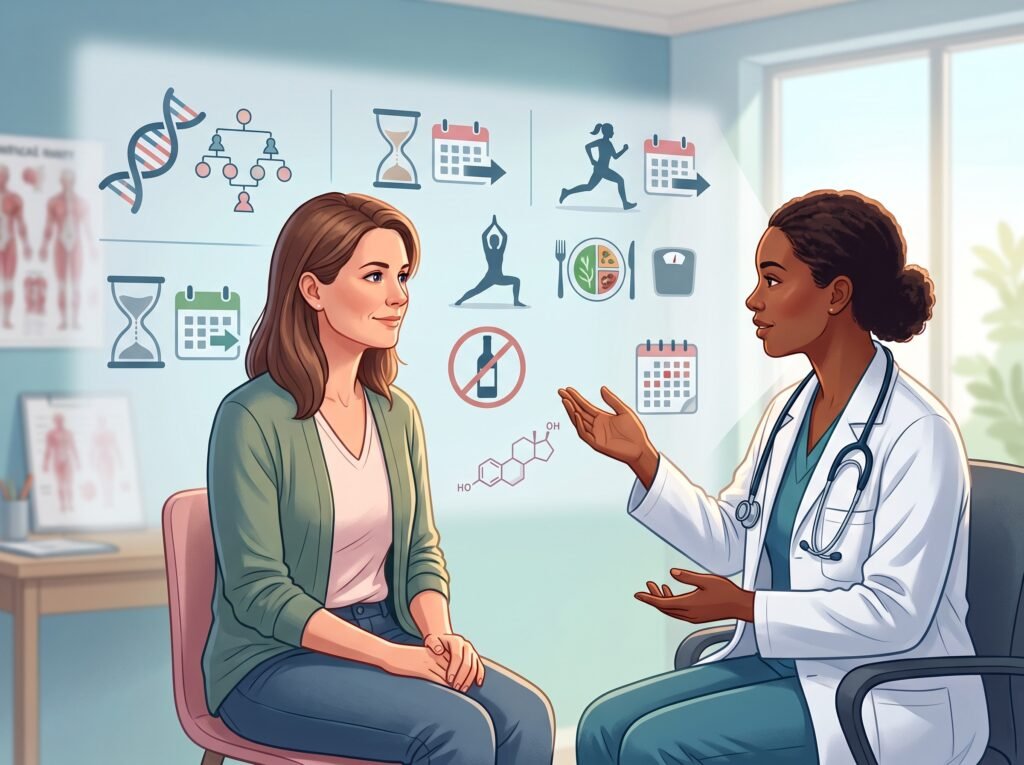
A healthcare professional may consider age, menstrual changes, symptoms, medical history, medications, and other possible explanations.
Hormone testing may sometimes be considered when menopause occurs unusually early or when the diagnosis is uncertain.
Menopause Treatment: What Are the Options?
Not everyone needs treatment.
If symptoms are mild, lifestyle changes and monitoring may be enough. If symptoms interfere with daily life, several menopause treatment options may be considered.
The appropriate treatment depends on symptoms, medical history, age, risks, preferences, and whether the treatment is being used for a particular symptom.
1. Lifestyle Changes
Healthy habits can support overall health during and after menopause.
Helpful strategies may include:
- Eating a balanced diet
- Staying physically active
- Including weight-bearing and resistance exercise
- Maintaining a regular sleep schedule
- Limiting or avoiding smoking
- Moderating alcohol intake
- Finding ways to manage stress
- Maintaining social connections
Exercise and adequate calcium and vitamin D are particularly relevant to maintaining bone health.
2. Menopausal Hormone Therapy
Menopausal hormone therapy can be an effective treatment for certain symptoms, particularly hot flashes and night sweats.
Depending on the situation, hormone treatment may involve estrogen alone or estrogen combined with a progestogen.
For people who have not had a hysterectomy, progestogen is generally used with systemic estrogen to protect the lining of the uterus.
Hormone therapy is not appropriate for everyone. The potential benefits and risks depend on individual health factors, so it should be discussed with a qualified healthcare professional rather than started without medical guidance.
3. Vaginal Treatments
For vaginal dryness and discomfort, options may include nonprescription lubricants or moisturizers.
Healthcare professionals may also recommend localized vaginal treatments for appropriate patients.
These treatments can be particularly useful when vaginal symptoms persist and interfere with comfort or sexual activity.
4. Non-Hormonal Treatments
Hormones are not the only treatment option.
Depending on the symptoms, healthcare professionals may recommend non-hormonal medicines or therapies. Cognitive behavioral therapy (CBT), for example, may help some people with mood symptoms, sleep difficulties, or hot flashes.
The choice depends on the individual’s symptoms and medical circumstances.
5. Be Careful With Supplements
Many supplements and herbal products are marketed for menopause symptoms.
However, “natural” does not automatically mean safe or effective. Evidence for some products is limited, and certain supplements can interact with medications or cause side effects.
Discuss supplements with a healthcare professional before using them regularly.
When Should You See a Healthcare Professional?
Menopause is natural, but not every symptom occurring during midlife should automatically be attributed to menopause.
Talk with a healthcare professional if:
- Symptoms significantly affect your daily life.
- Hot flashes or night sweats interfere with sleep.
- Mood changes are persistent or severe.
- Vaginal or urinary symptoms are uncomfortable.
- You are considering hormone therapy.
- Menopause occurs unusually early.
- You experience significant or unusual menstrual bleeding.
Any vaginal bleeding after menopause should be evaluated. Postmenopausal bleeding can have several causes and sometimes may be a sign of a serious condition, including cancer.
Staying Healthy During and After Menopause
Menopause is an opportunity to pay closer attention to long-term health.
Useful habits include:
- Regular physical activity
- A balanced eating pattern
- Adequate calcium and vitamin D
- Avoiding tobacco
- Managing blood pressure, cholesterol, and blood glucose
- Maintaining healthy sleep habits
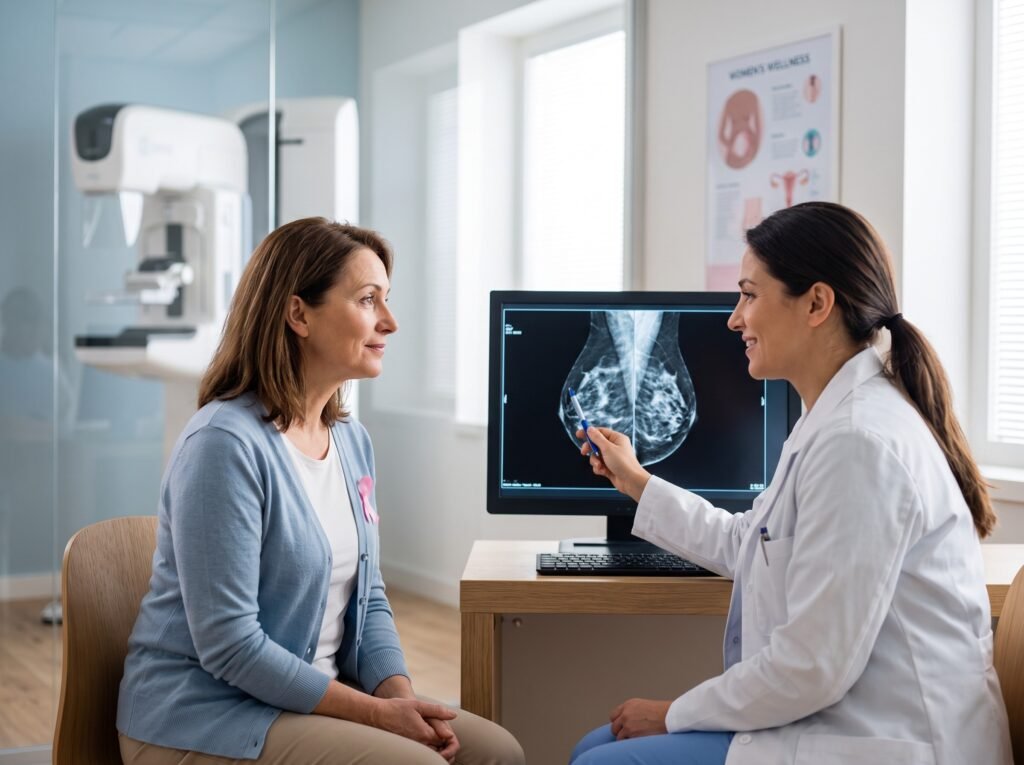
- Attending recommended health screenings
- Discussing bone health and cardiovascular risk with your healthcare professional
Menopause does not mean that poor health is inevitable. Preventive healthcare and healthy lifestyle habits remain important throughout midlife and beyond.
Frequently Asked Questions About Menopause
1. What is menopause?
Menopause is the natural stage of life when menstrual periods permanently stop because ovarian reproductive function and hormone production decline. It is reached after 12 consecutive months without a menstrual period.
2. What is the difference between perimenopause and menopause?
Perimenopause is the transition leading up to menopause, during which periods become irregular and symptoms may begin. Menopause is reached after 12 months without a menstrual period.
3. What are the most common menopause symptoms?
Common symptoms include hot flashes, night sweats, irregular periods, sleep problems, mood changes, vaginal dryness, urinary symptoms, changes in sexual desire, and difficulty with concentration or memory.
4. How long does menopause last?
Menopause itself refers to the point at which periods have stopped for 12 months. The transition before and symptoms associated with menopause can last for several years, and the timing varies considerably between individuals.
5. Do all women need menopause treatment?
No. Some people have mild symptoms that do not require treatment. Others have symptoms that significantly affect quality of life and may benefit from lifestyle changes, hormone therapy, non-hormonal treatment, or other approaches.
6. Can you get pregnant during perimenopause?
Yes. Ovulation can still occur during perimenopause, even when periods become irregular. People who do not want to become pregnant should discuss appropriate contraception with a healthcare professional until menopause has been confirmed.
7. Is bleeding after menopause normal?
Bleeding after menopause should be evaluated by a healthcare professional. Even light spotting or a single episode of bleeding after 12 months without periods warrants medical assessment.
Conclusion
Understanding what is menopause can make the physical and emotional changes of midlife easier to recognize and discuss. Menopause is a natural stage of life caused by declining ovarian function, while perimenopause is the transition leading up to it and postmenopause describes the years afterward.
The menopause symptoms and their severity vary widely. Some people need little or no treatment, while others may benefit from lifestyle changes, non-hormonal therapies, localized treatments, or carefully considered menopausal hormone therapy.
If symptoms are affecting your quality of life—or if you experience unusual bleeding, especially after menopause—talk with a qualified healthcare professional. Understanding your options can help you make informed decisions about menopause treatment and long-term health.
Medical accuracy and source notes
The National Institute on Aging defines menopause as the permanent end of menstrual periods and explains that the menopausal transition, or perimenopause, commonly begins between ages 45 and 55. It also describes common symptoms and emphasizes individualized discussions about treatment.
NHS guidance confirms that menopause is defined as 12 months without a period and describes common symptoms including hot flushes, sleep problems, mood changes, vaginal symptoms, urinary symptoms, and changes in memory and concentration. It also advises evaluation of any vaginal bleeding after menopause.
Treatment options can include lifestyle measures, hormone therapy, non-hormonal treatments, and therapies for specific symptoms. The appropriate choice depends on individual circumstances and should be discussed with a healthcare professional.