





























































What Causes Bloating? Common Causes and Helpful Habits

Bloating is a common digestive complaint that can make your abdomen feel full, tight, swollen, or uncomfortable. It may happen after a large meal, after eating certain foods, or alongside constipation, gas, or other digestive symptoms. But what causes bloating when it happens frequently or seems unrelated to what you eat? Common bloating causes include excess gas, swallowing air while eating, constipation, food intolerances, and certain digestive conditions such as irritable bowel syndrome (IBS). In some people, bloating may occur because the digestive system is more sensitive to normal amounts of gas or changes in how food and gas move through the gut.
Occasional abdominal bloating is usually not a cause for concern. However, persistent or recurring bloating—especially when accompanied by pain, unexplained weight loss, vomiting, blood in the stool, or changes in bowel habits—should be discussed with a healthcare professional.
What Is Bloating?
Bloating is the sensation of fullness, pressure, swelling, or tightness in the abdomen. Some people notice that their abdomen actually looks larger than usual, which is called abdominal distention. However, bloating and visible distention are not always the same thing.
Bloating can occur by itself or alongside:
- Increased gas
- Burping
- Passing gas
- Abdominal discomfort
- Constipation
- Diarrhea
- Nausea
- A feeling of fullness after eating
Gas is a normal part of digestion. It enters the digestive tract when people swallow air and is also produced when bacteria in the large intestine break down carbohydrates that were not fully digested in the small intestine.
What Causes Bloating?
There is no single cause of bloating. Understanding the circumstances in which it occurs can help identify possible triggers.
1. Excess Gas
One of the most common bloating causes is gas in the digestive tract.
Certain foods contain carbohydrates that are not completely digested in the small intestine. When these carbohydrates reach the large intestine, bacteria break them down and produce gas.
Foods that may contribute to gas and bloating in some people include:
- Beans, peas, and lentils
- Broccoli, cauliflower, cabbage, and other cruciferous vegetables
- Certain fruits
- Whole grains
- Some dairy products
- Foods and drinks containing certain sweeteners
- Carbonated beverages
Not everyone reacts to these foods in the same way. A food that causes bloating for one person may be well tolerated by another.
2. Swallowing Too Much Air
Another answer to “what causes bloating?” is surprisingly simple: swallowing air.
People naturally swallow small amounts of air while eating and drinking. More air may be swallowed when someone:
- Eats very quickly
- Drinks through a straw
- Chews gum
- Sucks on hard candy
- Drinks carbonated beverages
- Talks while eating
- Smokes
Some of this air may be released through burping, while some can travel through the digestive tract and contribute to gas-related symptoms.
3. Constipation
Constipation can contribute to abdominal bloating and discomfort. When stool moves slowly through the colon, gas may become more difficult to pass, and the abdomen may feel full or distended.
Constipation can also occur together with changes in diet, inadequate fluid intake, reduced physical activity, or certain medications.
If constipation is persistent or accompanied by significant abdominal pain, vomiting, blood in the stool, or unexplained weight loss, medical evaluation is appropriate.
4. Food Intolerances
Some people develop bloating because their digestive system has difficulty processing certain foods or carbohydrates.
Lactose intolerance is one example. People with lactose intolerance have difficulty digesting lactose, the natural sugar found in milk and many dairy products. Symptoms can include bloating, gas, abdominal discomfort, diarrhea, and rumbling sounds after consuming lactose-containing foods.
Other carbohydrate intolerances can also cause digestive symptoms.
Rather than eliminating large numbers of foods without guidance, it can be useful to discuss recurring symptoms with a healthcare professional or registered dietitian.
5. Irritable Bowel Syndrome
Irritable bowel syndrome, or IBS, is a disorder of gut-brain interaction that can cause recurring abdominal symptoms.
Common symptoms include:
- Abdominal pain or cramping
- Bloating
- Gas
- Diarrhea
- Constipation
- Changes in bowel habits
For some people with IBS, bloating may be especially noticeable after certain foods or during periods of increased stress. IBS is a chronic condition that can require individualized management.
6. Indigestion
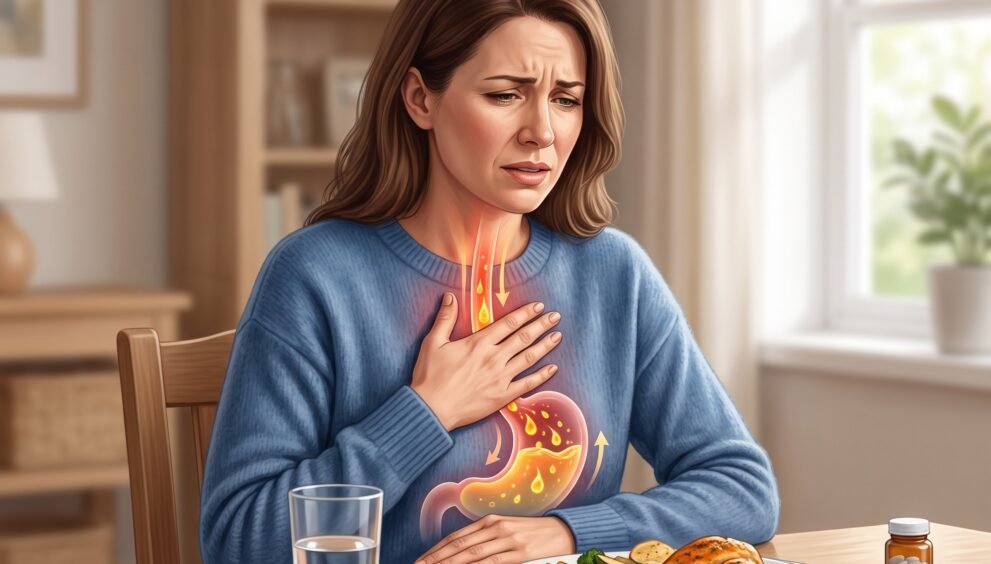
Indigestion, also called dyspepsia, can cause upper abdominal discomfort, early fullness, bloating, nausea, and belching.
Some people experience symptoms after meals, while others have recurring symptoms without an obvious food trigger.
Persistent indigestion should not automatically be attributed to diet. If symptoms continue or are accompanied by warning signs such as unexplained weight loss, difficulty swallowing, frequent vomiting, black stools, or severe abdominal pain, medical assessment is important.
7. Celiac Disease and Other Digestive Conditions
Some underlying digestive conditions can cause bloating and gas.
Examples include:
- Celiac disease
- Gastroesophageal reflux disease (GERD)
- Gastroparesis
- Small intestinal bacterial overgrowth (SIBO)
- Functional constipation
- Other disorders affecting digestion or movement of the gastrointestinal tract
These conditions can have symptoms that overlap with ordinary food-related bloating. Persistent symptoms therefore deserve proper evaluation rather than repeated self-treatment.
Bloating After Eating: Why Does It Happen?
Bloating after meals is common, but the reason can differ from person to person.
Eating a large meal can temporarily create a feeling of fullness. Eating quickly can also increase swallowed air. Certain carbohydrates can be fermented by bacteria in the large intestine, producing additional gas.
High-fat meals may also contribute to a feeling of bloating in some people because fat can slow digestion.
Keeping track of meals and symptoms may help identify patterns.
For example, someone might notice that bloating consistently occurs after:
- Large meals
- Carbonated beverages
- Certain dairy products
- Specific high-fiber foods
- Sugar-free products containing certain sweeteners
A food and symptom diary can be particularly useful when discussing recurring symptoms with a healthcare professional.
Helpful Habits That May Reduce Bloating
The best approach depends on the underlying cause, but several everyday habits may help reduce gas-related bloating.
Eat More Slowly
Eating quickly can increase the amount of air swallowed. Taking time to chew food thoroughly and eating in a relaxed setting may help reduce swallowed air.
Limit Carbonated Drinks
Fizzy drinks introduce gas into the digestive tract and may worsen bloating for some people.
If carbonated beverages consistently trigger symptoms, replacing them with non-carbonated drinks may be worth trying.
Avoid Frequent Gum Chewing
Chewing gum and sucking on hard candy can increase air swallowing. Reducing these habits may help people whose bloating is related to swallowed air.
Pay Attention to Food Triggers
Instead of assuming that every food commonly associated with gas needs to be eliminated, look for your own patterns.
A simple food and symptom diary can record:
| What to track | Example |
| Food or drink | Milk, beans, soda |
| Portion | Small, medium, large |
| Timing | 30 minutes after eating |
| Symptoms | Bloating, gas, cramps |
| Bowel changes | Constipation or diarrhea |
| Frequency | Occasional or recurring |
This information can help a healthcare professional or dietitian determine whether further dietary evaluation is appropriate.
Maintain Regular Bowel Habits
If constipation contributes to bloating, addressing the constipation may help.
Dietary fiber is important for digestive health, but increasing fiber very quickly can itself cause more gas and bloating in some people. A gradual approach and adequate fluids may be more comfortable.
People with ongoing constipation should discuss the cause and appropriate management with a healthcare professional.
Be Careful With Restrictive Diets
It can be tempting to eliminate many foods after experiencing bloating. However, unnecessarily restrictive diets can make it harder to maintain balanced nutrition.
If symptoms are frequent, a healthcare professional or registered dietitian can help determine whether a structured dietary approach is appropriate. NIDDK notes that some people with specific digestive conditions may benefit from targeted dietary changes, including approaches involving lactose, fructose, gluten, or FODMAPs.
When Should You See a Doctor About Bloating?
Occasional bloating is common, but persistent or unexplained symptoms deserve attention.
Talk with a healthcare professional if:
- Bloating occurs frequently or does not go away
- Symptoms interfere with everyday activities
- Bloating is accompanied by unexplained weight loss
- You notice blood in your stool
- Your bowel habits change significantly
- You have recurring diarrhea or constipation
- You have persistent nausea or vomiting
- Abdominal pain is significant or ongoing
These symptoms do not necessarily indicate a serious disease, but they may warrant further evaluation.
Seek urgent medical care for severe or sudden abdominal pain, vomiting blood, severe difficulty breathing, or a markedly swollen abdomen accompanied by an inability to pass stool or gas.
How Is the Cause of Bloating Diagnosed?
There is no single test that explains every case of bloating.
A healthcare professional may ask about:
- When symptoms began
- How often they occur
- Foods and drinks consumed
- Bowel habits
- Medications and supplements
- Previous digestive conditions
- Weight changes
- Other symptoms
A physical examination may be performed, and additional tests may be recommended when a specific condition is suspected. Depending on the situation, testing can include blood tests, stool tests, imaging, or other investigations.
The goal is to identify the underlying cause rather than simply treating the sensation of bloating.
Frequently Asked Questions About Bloating
1. What causes bloating most often?
Common causes include excess gas, swallowing air, constipation, certain foods, food intolerances, and digestive conditions such as IBS. The cause varies between individuals.
2. Can gas cause abdominal bloating?
Yes. Gas in the digestive tract can create a sensation of fullness or pressure and may cause visible abdominal distention. However, bloating does not always mean there is an unusually large amount of gas present.
3. Why do I feel bloated after eating?
Bloating after eating can be related to meal size, eating quickly, swallowed air, certain carbohydrates, carbonated drinks, food intolerances, or an underlying digestive condition.
4. Does constipation cause bloating?
Yes. Constipation can contribute to abdominal fullness and bloating, particularly when stool and gas are difficult to move through the digestive tract.
5. Should I stop eating foods that cause gas?
Not necessarily. Many nutritious foods can naturally produce gas during digestion. Rather than eliminating numerous foods, identify consistent personal triggers and discuss recurring symptoms with a healthcare professional or dietitian.
6. When is bloating a warning sign?
Bloating should be medically evaluated when it is persistent, recurrent, or accompanied by symptoms such as unexplained weight loss, blood in the stool, significant abdominal pain, vomiting, or major changes in bowel habits.
7. Can bloating be prevented?
Some people can reduce symptoms by eating slowly, limiting carbonated drinks, reducing swallowed air, identifying individual food triggers, and addressing constipation when present. The most effective approach depends on the cause.
Conclusion
Understanding what causes bloating can make it easier to recognize common triggers and know when symptoms deserve medical attention. Gas, swallowed air, constipation, food intolerances, IBS, indigestion, and other digestive conditions can all contribute to abdominal bloating. Simple habits—such as eating slowly, limiting fizzy drinks, keeping track of food triggers, and maintaining regular bowel habits—may help some people. However, persistent or recurring bloating should not simply be dismissed as “too much gas.”
If bloating continues, becomes disruptive, or occurs alongside concerning symptoms, speak with a qualified healthcare professional. Finding the underlying cause is the best way to determine what approach is appropriate for your digestive health.