















































Breast Cancer Risk Factors: What Can Increase Risk?

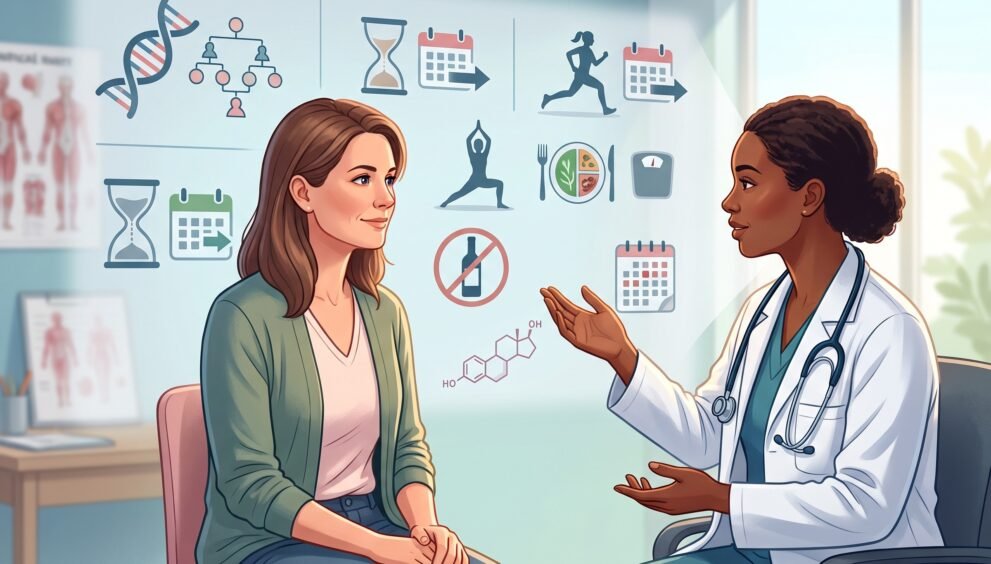
Understanding breast cancer risk factors can help people make informed decisions about screening, family history, and overall health. Breast cancer does not have one single cause. Instead, it develops through complex changes in breast cells, and several factors can increase the likelihood that those changes will occur.
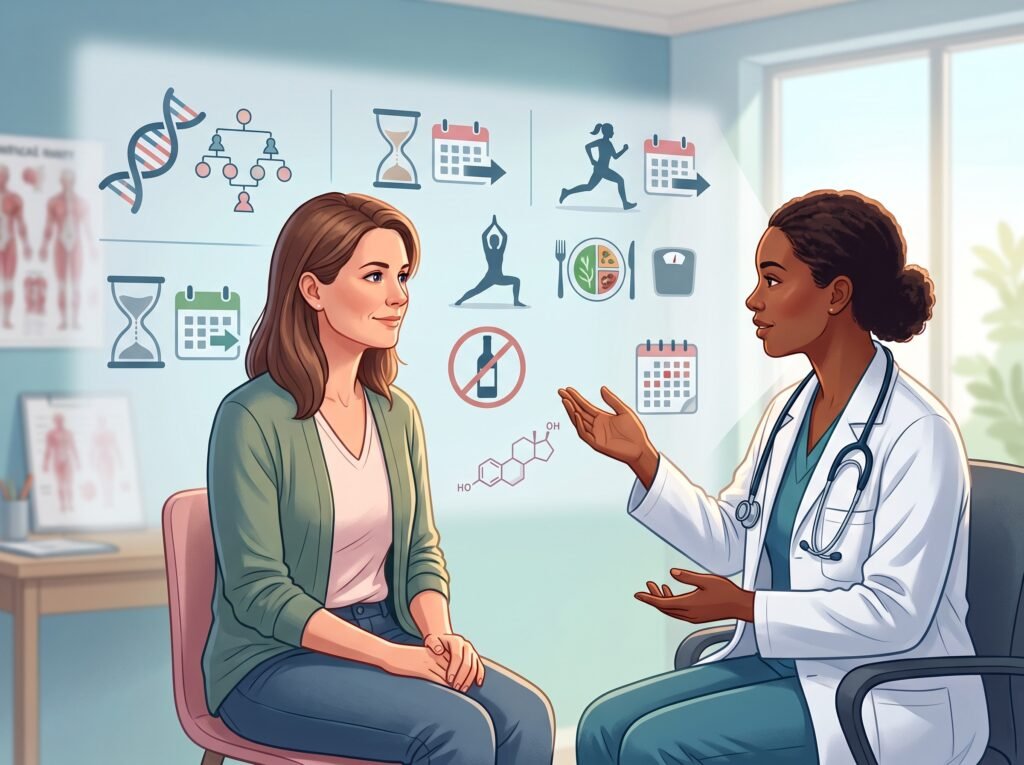
Some risk factors cannot be changed, such as age, inherited gene changes, family history, and certain reproductive factors. Others are potentially modifiable, including alcohol consumption, physical inactivity, and excess body weight after menopause. Having one or more risk factors does not mean that a person will develop breast cancer, and some people develop breast cancer without any known major risk factors.
Knowing your personal risk can help you and your healthcare professional determine whether you may need routine screening or, in some situations, additional risk assessment.
What Are Breast Cancer Risk Factors?
A risk factor is something associated with a higher chance of developing a disease. Risk factors are not necessarily direct breast cancer causes.
For example, getting older increases the likelihood of breast cancer, but aging itself does not mean that cancer will occur. Similarly, having a mother or sister who had breast cancer can increase risk, but many people with a family history never develop the disease.
Breast cancer risk results from a combination of genetic, hormonal, reproductive, environmental, medical, and lifestyle factors.
Major Breast Cancer Risk Factors
The following factors are among those associated with an increased risk of breast cancer.
1. Getting Older
Age is one of the most important breast cancer risk factors.
The risk of breast cancer generally increases as people get older, and most breast cancers are diagnosed in women over age 50. However, breast cancer can occur in younger adults as well.
Age-related risk is one reason breast cancer screening recommendations generally become more important later in adulthood.
2. Family History of Breast Cancer
A family history of breast cancer can increase risk, particularly when close relatives have been diagnosed.
Risk may be more concerning when:
- A mother, sister, or daughter has had breast cancer
- Several relatives have had breast or ovarian cancer
- A relative was diagnosed at a younger age
- A male relative has had breast cancer
- Breast cancer has occurred in both breasts in a relative
- There is a known inherited cancer-related gene change in the family
Importantly, family history can come from either the mother’s or father’s side of the family.
If several relatives have had breast or ovarian cancer, sharing that history with a healthcare professional or genetic counselor can help determine whether a more detailed risk assessment may be appropriate.
3. Inherited Gene Changes
Certain inherited genetic changes can substantially increase breast cancer risk.
The best-known examples include changes in:
- BRCA1
- BRCA2
- PALB2
- TP53
- PTEN
- CDH1
- STK11
- CHEK2
- ATM
Not everyone who inherits one of these changes will develop breast cancer, and these genetic changes account for only a portion of all breast cancer cases.
Genetic counseling may be appropriate for people with particular patterns of personal or family cancer history. A genetic counselor can explain whether testing may be useful and what different results could mean.
4. Previous Breast Cancer or Certain Breast Conditions
Having breast cancer in the past can increase the chance of developing another breast cancer.
Certain noncancerous or precancerous breast conditions are also associated with increased risk. Examples include:
- Atypical ductal hyperplasia
- Atypical lobular hyperplasia
- Lobular carcinoma in situ (LCIS)
- Certain other proliferative breast conditions
The level of risk varies depending on the specific condition and an individual’s overall medical history.
A previous abnormal breast biopsy therefore does not automatically mean that cancer will develop, but it is important information to include in future discussions about breast health and screening.
5. Dense Breasts
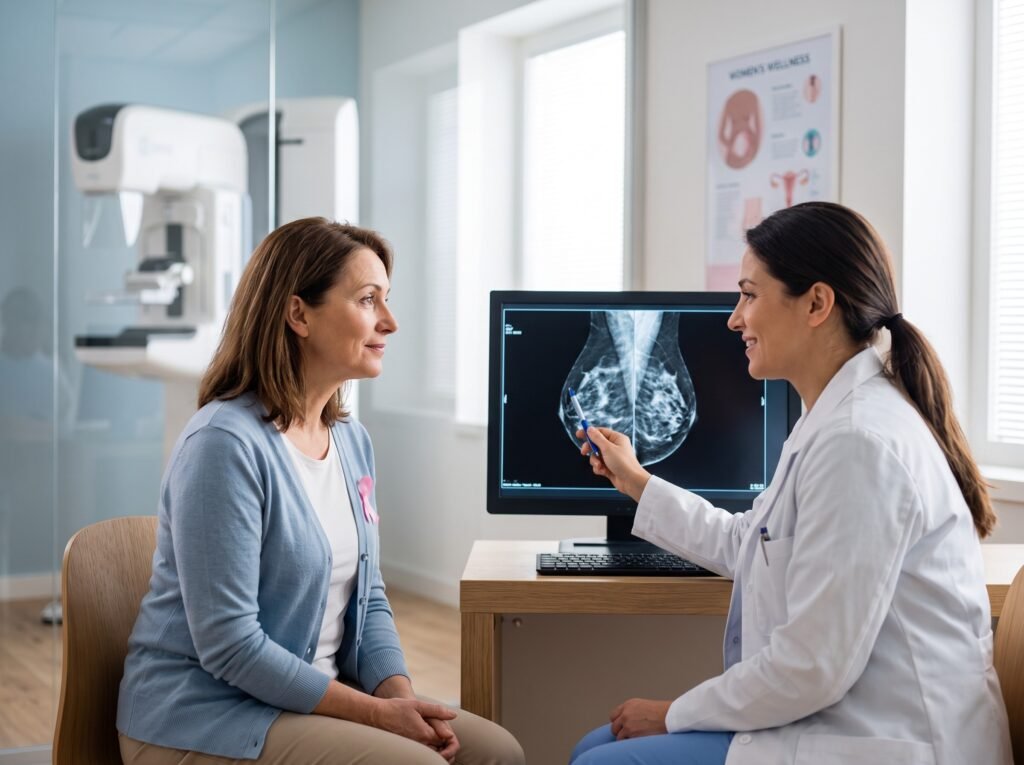
Breast density refers to the relative amounts of fibrous and glandular tissue compared with fatty tissue in the breast.
Dense breasts matter for two reasons:
- Higher breast density is associated with an increased risk of breast cancer.
- Dense tissue can make some breast cancers more difficult to see on a mammogram.
Breast density is determined through mammography rather than by how the breasts feel.
If you are told that you have dense breasts, ask your healthcare professional how this information fits into your overall risk and screening plan.
6. Reproductive and Hormonal History
Some reproductive factors are associated with breast cancer risk because they influence the length or level of exposure to hormones produced by the ovaries.
Factors associated with increased risk include:
- Starting menstrual periods at a younger age
- Entering menopause at a later age
- Having a first full-term pregnancy at an older age
- Never having a full-term pregnancy
These factors are not choices that should be viewed as personal causes of cancer. They are biological factors that can influence lifetime hormone exposure.
Pregnancy and breastfeeding are associated with lower breast cancer risk in some studies, but reproductive decisions should always be personal and based on individual circumstances rather than cancer prevention alone.
7. Alcohol Consumption
Alcohol consumption is a modifiable breast cancer risk factor.
Research consistently shows an association between alcohol consumption and breast cancer risk, with risk increasing as alcohol intake increases.
This is one reason major cancer organizations include limiting or avoiding alcohol among strategies that may help reduce cancer risk.
If you drink alcohol, discussing your overall health and personal risk with a healthcare professional can help put this factor into context.
8. Physical Inactivity
Regular physical activity is associated with a lower risk of breast cancer, while insufficient physical activity is associated with increased risk.
Physical activity also supports cardiovascular health, metabolic health, bone health, and overall well-being.
People do not need to make extreme lifestyle changes to start becoming more active. Appropriate activity should take into account age, physical ability, existing medical conditions, and advice from a healthcare professional when necessary.
9. Excess Body Weight After Menopause
Being overweight or having obesity after menopause is associated with an increased risk of breast cancer.
One reason may relate to changes in estrogen production after menopause. Fat tissue becomes an important source of estrogen after the ovaries reduce estrogen production.
Maintaining a healthy weight can support overall health and may reduce the risk of several chronic diseases, including some cancers.
Weight management should focus on sustainable nutrition, physical activity, and overall health rather than extreme dieting.
10. Certain Hormone Treatments
Some hormone treatments used during menopause can affect breast cancer risk.
In particular, combined estrogen-progestin menopausal hormone therapy has been associated with increased breast cancer risk, especially with longer-term use.
Hormone therapy can have legitimate medical benefits for some people, so decisions about using it should be individualized. Do not start or stop prescribed hormone treatment solely because of information in an online article.
Discuss the potential benefits and risks with your healthcare professional.
11. Previous Radiation Exposure to the Chest
Exposure to high doses of radiation involving the chest—particularly radiation treatment received at a young age—is associated with a higher risk of breast cancer later in life.
This can apply to people who received radiation therapy for certain childhood or young-adult cancers. The CDC notes that radiation therapy to the chest or breasts before age 30 can increase later breast cancer risk. People with this history may have different screening considerations and should tell their healthcare professional about previous radiation treatment.
Breast Cancer Risk Factors You Can and Cannot Change
It can be useful to separate risk factors into two broad groups.
| Risk factor | Can it be changed? |
| Increasing age | No |
| Inherited gene changes | No |
| Family history | No |
| Breast density | No |
| Previous breast cancer | No |
| Certain reproductive factors | No |
| Previous chest radiation | No |
| Alcohol consumption | Potentially |
| Physical inactivity | Potentially |
| Excess body weight after menopause | Potentially |
| Some hormone treatments | Medical decision |
This distinction is important because people should not feel responsible for risk factors they cannot control.
Do Breast Cancer Risk Factors Mean Cancer Will Develop?
No.
Having one or even several risk factors does not mean that someone will develop breast cancer. Likewise, some people diagnosed with breast cancer do not have an obvious major risk factor.
NCI emphasizes that risk estimates are based on available evidence and cannot predict an individual’s future with certainty. A healthcare professional can consider multiple factors together when estimating personal risk.
This is why breast cancer risk should be viewed as a spectrum rather than a simple yes-or-no category.
Can Breast Cancer Risk Be Reduced?
There is no guaranteed way to prevent breast cancer, but some lifestyle choices and medical strategies may reduce risk.
Evidence-supported approaches include:
- Staying physically active
- Avoiding or limiting alcohol
- Maintaining a healthy weight, particularly after menopause
- Following appropriate breast cancer screening recommendations
- Discussing hormone therapy risks and benefits with a healthcare professional
- Understanding your personal and family medical history
- Seeking genetic counseling when family or personal history suggests it may be appropriate
For people at substantially elevated risk, healthcare professionals may discuss additional options, including risk-reducing medications or, in selected situations, preventive surgery. These decisions require individualized medical counseling.
When Should You Talk to a Healthcare Professional?
Consider discussing your breast cancer risk with a healthcare professional if you have:
- A strong family history of breast or ovarian cancer
- A first-degree relative with breast cancer
- Multiple relatives with breast cancer
- A relative diagnosed at a young age
- A male relative with breast cancer
- A known BRCA1, BRCA2, or other cancer-related gene change
- A personal history of breast cancer
- A history of certain high-risk breast conditions
- Previous radiation treatment to the chest at a young age
- Dense breasts
- Questions about your screening schedule
A healthcare professional can review your history and determine whether routine screening, a formal risk assessment, genetic counseling, or other evaluation may be appropriate.
Frequently Asked Questions About Breast Cancer Risk Factors
1. What are the biggest breast cancer risk factors?
Increasing age is one of the most important risk factors. Other significant factors include inherited gene changes, family history, certain reproductive and hormonal factors, dense breasts, previous breast cancer, alcohol consumption, physical inactivity, and excess body weight after menopause.
2. Does having a family history mean I will get breast cancer?
No. A family history can increase risk, but it does not mean cancer will definitely develop. Risk can be higher when several relatives are affected, particularly when diagnoses occur at younger ages or involve ovarian cancer or male breast cancer.
3. Can men develop breast cancer?
Yes. Breast cancer can occur in men, although it is much less common than in women. Family history and inherited changes such as BRCA mutations can increase risk.
4. Can lifestyle choices affect breast cancer risk?
Yes. Alcohol consumption and physical inactivity are associated with increased risk, while physical activity and maintaining a healthy weight can contribute to lower risk. Lifestyle changes cannot eliminate breast cancer risk completely.
5. Should I get genetic testing if breast cancer runs in my family?
Not everyone with a family history needs genetic testing. However, a pattern involving multiple relatives, younger diagnoses, ovarian cancer, male breast cancer, or a known inherited gene change may warrant genetic counseling. A qualified professional can help determine whether testing is appropriate.
6. Are dense breasts a risk factor for breast cancer?
Yes. Dense breasts are associated with a higher risk of breast cancer and can also make some cancers harder to detect on mammograms. Your healthcare professional can explain how breast density affects your individual screening considerations.
7. Can breast cancer be completely prevented?
No prevention strategy can guarantee that breast cancer will not develop. However, understanding personal risk, following appropriate screening recommendations, and addressing modifiable risk factors can help reduce risk and support earlier detection.
Conclusion
Understanding breast cancer risk factors can help people have more informed conversations about their health without creating unnecessary fear. Age, family history, inherited gene changes, breast density, reproductive history, previous breast conditions, radiation exposure, alcohol consumption, physical inactivity, and certain hormonal factors can all influence breast cancer risk.
Some factors cannot be changed, while others may be modified or managed with professional guidance. Most importantly, having a risk factor does not mean that breast cancer will develop, and having no known risk factors does not guarantee protection. If you are concerned about your family history, personal medical history, or overall breast cancer risk, talk with a qualified healthcare professional. A personalized risk assessment can help determine which screening and prevention approaches are appropriate for you.