

























































Foods for Better Digestion: What to Eat and What to Limit

What you eat can influence how comfortably your digestive system works. A diet that includes enough fiber, fluids, fruits, vegetables, whole grains, and other minimally processed foods can support regular bowel movements and overall digestive health. At the same time, some people find that large amounts of fatty, fried, spicy, carbonated, or highly processed foods worsen symptoms such as bloating, indigestion, or heartburn.
The best foods for better digestion are not necessarily the same for everyone. A food that feels comfortable for one person may trigger symptoms in another, particularly in people with conditions such as irritable bowel syndrome (IBS), lactose intolerance, gastroesophageal reflux disease (GERD), or functional dyspepsia.
This guide explains which digestive health foods can be part of a balanced eating pattern, why fiber foods matter, which foods may be worth limiting, and when persistent digestive symptoms should be discussed with a healthcare professional.
What Foods Are Good for Better Digestion?
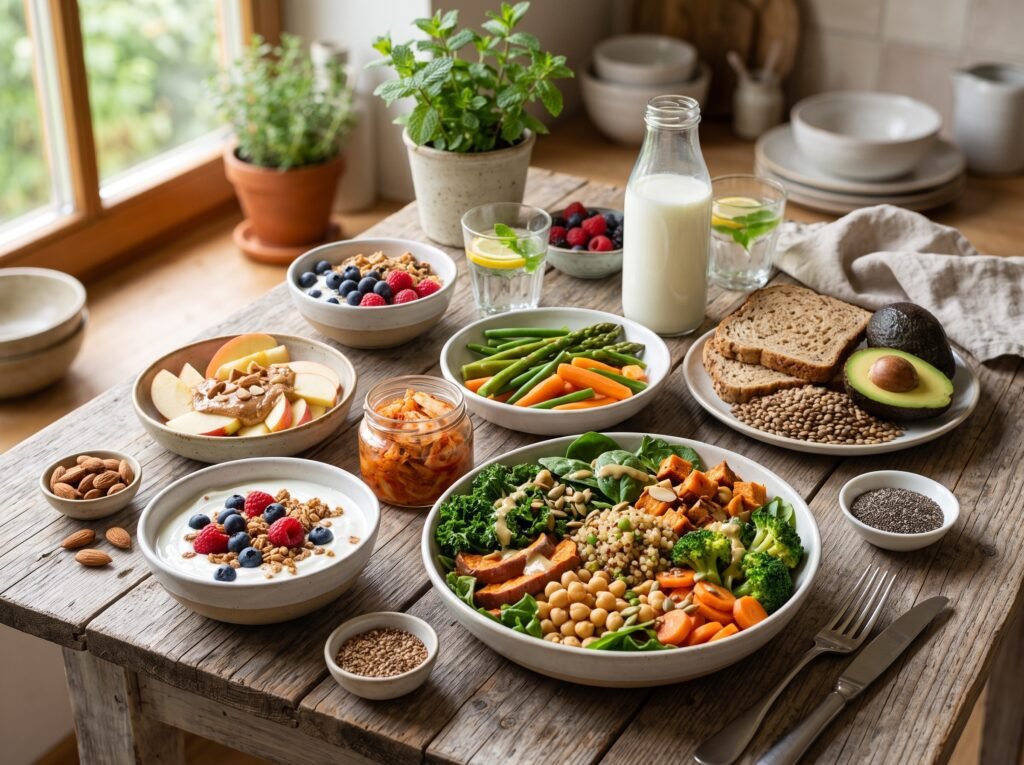
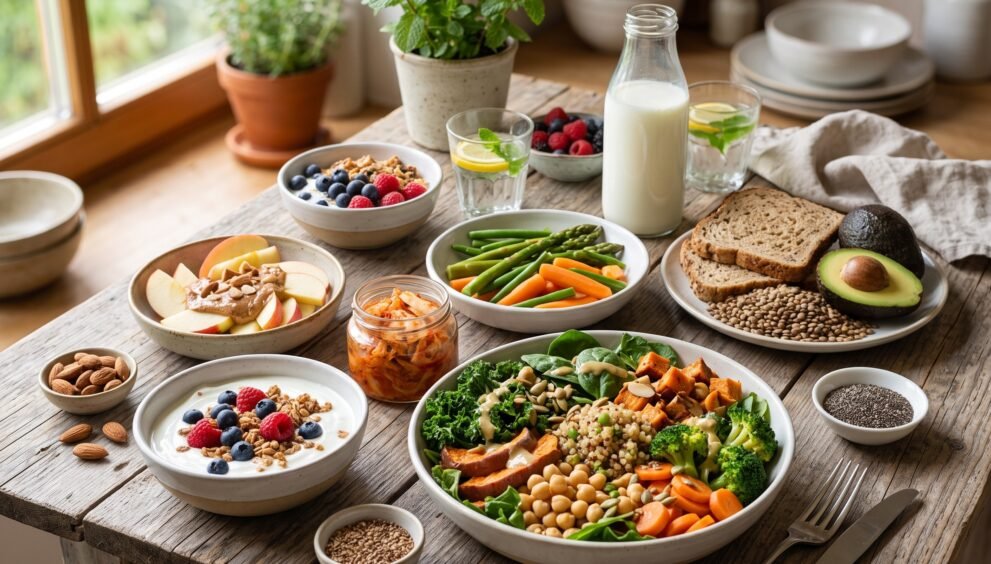
A digestion-friendly eating pattern generally emphasizes a variety of plant foods, adequate fiber and fluids, and moderate amounts of nutritious protein and fats.
Some useful choices include:
- Oats and other whole grains
- Brown rice and other minimally processed grains
- Beans, lentils, and chickpeas
- Fruits such as berries, pears, apples, and oranges
- Vegetables such as carrots, leafy greens, peas, and broccoli
- Nuts and seeds
- Yogurt or other fermented foods when tolerated
- Lean sources of protein
- Water and other appropriate nonalcoholic fluids
The goal is not to eat a perfect list of “digestive superfoods.” Instead, aim for variety and pay attention to how your body responds to different foods.
1. Choose More High-Fiber Foods
Fiber is one of the most important nutrients for digestive health. It can help support normal bowel function and is particularly important for preventing or managing constipation.
Good fiber foods include:
| Food group | Examples |
| Whole grains | Oats, whole-wheat bread, brown rice, barley |
| Legumes | Lentils, chickpeas, black beans, kidney beans |
| Fruits | Berries, pears, apples with skin, oranges |
| Vegetables | Carrots, broccoli, peas, leafy greens |
| Nuts and seeds | Almonds, peanuts, chia seeds, flaxseed |
For adults, NIDDK notes that recommended fiber intake is generally around 22–34 grams per day, depending on age and sex. However, individual needs can vary.
If your current diet is low in fiber, increase it gradually rather than making a sudden large change. A rapid increase can cause gas and bloating in some people.
When increasing fiber, adequate fluid intake is also important because fluid helps fiber work effectively.
2. Eat a Variety of Fruits and Vegetables
Fruits and vegetables provide fiber along with vitamins, minerals, and other compounds that contribute to a balanced diet.
Examples of digestive health foods include:
- Apples with the skin
- Pears
- Berries
- Oranges
- Carrots
- Broccoli
- Green peas
- Leafy greens
Different fruits and vegetables contain different types and amounts of fiber. Eating a variety can help you obtain a broader range of nutrients.
However, people with IBS or other digestive conditions may find that certain fruits or vegetables trigger symptoms. This does not mean those foods are universally “bad” for digestion. It means individual tolerance matters.
3. Include Whole Grains
Whole grains can provide more fiber than refined grains.
Options include:
- Oatmeal
- Brown rice
- Whole-wheat bread
- Whole-grain pasta
- Barley
- Bulgur
For many people, replacing some refined grains with whole-grain options can be a practical way to increase dietary fiber.
However, some people with IBS report increased symptoms after eating particular grains or wheat-containing foods. If you repeatedly experience symptoms after specific foods, discuss them with a healthcare professional or registered dietitian rather than eliminating large food groups without guidance.
4. Add Beans and Lentils Gradually
Beans, lentils, chickpeas, and other legumes are excellent sources of fiber and plant-based protein.
They can be a useful part of a balanced gut health diet, but they may also increase gas in some people, especially when eaten in large amounts or when someone is not accustomed to a high-fiber diet.
Start with smaller portions and increase gradually if tolerated.
If legumes consistently cause significant digestive symptoms, a dietitian can help determine whether preparation methods, portion sizes, or another dietary factor may be contributing.
5. Drink Enough Fluids
Fiber and fluids work together to support normal bowel function.
Water is a simple choice, but other fluids can contribute to overall hydration as well.
Adequate fluid intake may help keep stool softer and easier to pass, particularly when dietary fiber intake increases.
How much fluid a person needs can vary according to factors such as activity, climate, age, health conditions, and medications. People with certain medical conditions may have specific fluid restrictions, so individual advice from a healthcare professional may be necessary.
6. Consider Fermented Foods if You Tolerate Them
Some fermented foods contain live microorganisms. Yogurt with live cultures is one familiar example.
The gut contains a complex community of microorganisms, commonly referred to as the gut microbiome. Research into the relationship between diet, the microbiome, and digestive health continues.
However, probiotics are not a universal solution for every digestive problem. Evidence varies by condition and by specific probiotic strain.
If you have a weakened immune system or a significant health condition, discuss probiotic supplements with a healthcare professional before using them.
7. Choose Healthy Protein Sources
Protein is important for maintaining muscles and supporting normal body functions. Digestive-friendly meals can include a range of protein sources, depending on individual preferences and tolerance.
Examples include:
- Fish
- Skinless poultry
- Eggs
- Tofu
- Beans and lentils
- Nuts and seeds
- Low-fat or lactose-free dairy products when tolerated
How food is prepared can also matter. Grilling, baking, steaming, or roasting may be easier to tolerate than heavily fried preparations for some people.
Foods and Drinks to Limit for Better Digestion
There is no single list of foods that everyone must avoid. However, certain foods and drinks commonly worsen digestive symptoms in some people.
1. Limit Greasy and Fried Foods
Large amounts of fatty or greasy foods may contribute to indigestion or discomfort in some people.
Examples include:
- Deep-fried foods
- Fried fast food
- Very fatty meats
- Heavy cream-based dishes
- Large portions of greasy snacks
If these foods repeatedly cause symptoms, try smaller portions and less heavily fried alternatives.
2. Be Careful With Very Spicy Foods
Spicy foods are tolerated well by many people. Others find that chili-heavy meals worsen heartburn, abdominal discomfort, or diarrhea.
There is no need for everyone to eliminate spicy foods.
Instead, consider your own pattern. If a particular spicy food consistently triggers symptoms, reducing the portion or avoiding that specific food may be reasonable.
3. Reduce Carbonated Drinks if They Cause Bloating
Fizzy drinks can increase feelings of bloating in some people.
Examples include:
- Soda
- Carbonated energy drinks
- Sparkling beverages
If carbonated drinks make you feel bloated or uncomfortable, switching to still water or another noncarbonated beverage may help.
4. Watch Your Caffeine Intake if It Triggers Symptoms
Coffee, tea, cola, and other caffeinated drinks can affect people differently.
Some people find that caffeine worsens heartburn or indigestion. Others can consume moderate amounts without digestive problems.
Rather than assuming caffeine is harmful for everyone, pay attention to whether it is associated with your symptoms.
5. Limit Highly Processed, Low-Fiber Foods
Many highly processed foods provide relatively little fiber.
Examples can include:
- Chips
- Some fast foods
- Highly processed snack foods
- Certain ready-to-eat meals
- Processed meats
These foods do not necessarily need to be completely eliminated. The bigger goal is to avoid relying on them as the foundation of your diet and make higher-fiber, nutrient-rich foods a regular part of meals.
What About Sugar and Artificial Sweeteners?
Some people notice bloating, gas, or diarrhea after consuming certain sugar alcohols or large amounts of sweetened foods.
Sugar alcohols such as sorbitol, mannitol, and xylitol can cause digestive symptoms in some people, particularly when consumed in larger quantities.
If you frequently experience symptoms after sugar-free products, check ingredient labels and discuss persistent symptoms with a healthcare professional.
Foods for Better Digestion May Depend on Your Symptoms
A healthy eating pattern is not necessarily identical for someone with every digestive condition.
For example:
| Digestive concern | Dietary considerations |
| Constipation | Gradually increasing fiber and drinking adequate fluids may help |
| Bloating | Identify individual food triggers and avoid large meals when appropriate |
| Indigestion | Fatty, greasy, caffeinated, or other trigger foods may worsen symptoms in some people |
| IBS | Individual triggers vary; some people may benefit from structured dietary approaches under professional guidance |
| Lactose intolerance | Lactose-free products or suitable alternatives may help |
| Heartburn/GERD | Some people benefit from identifying and reducing foods that trigger their symptoms |
This is why extreme elimination diets are not always appropriate. If symptoms are frequent or severe, identifying the underlying cause is more useful than simply removing more and more foods.
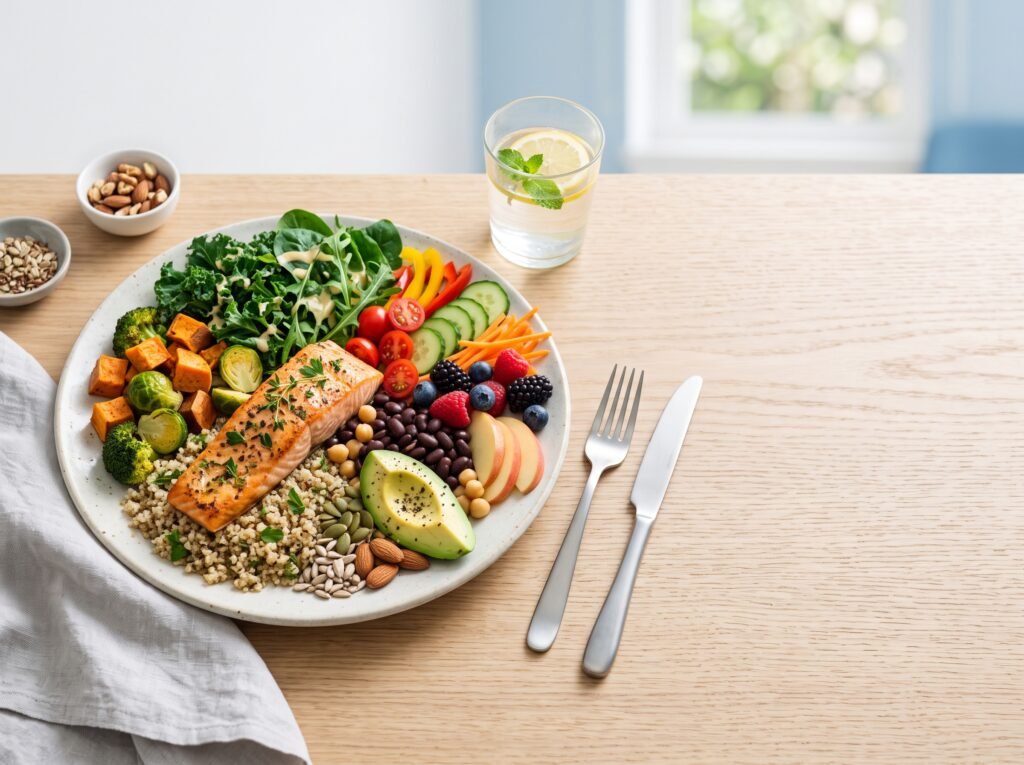
How to Build a Gut Health Diet
A practical gut health diet does not have to be complicated.
Try building meals around:
1. A fiber-rich carbohydrate
Oats, brown rice, whole-grain bread, potatoes with skin, or another suitable whole grain.
2. A source of protein
Fish, eggs, poultry, tofu, beans, lentils, or another protein source.
3. Vegetables or fruit
Choose a variety throughout the day.
4. A healthy fat source
Depending on your dietary needs, this could include nuts, seeds, olive oil, or avocado.
5. Water or another suitable beverage
Choose fluids that you tolerate well.
The exact foods and portions should be adapted to your nutritional needs, preferences, cultural eating pattern, and any diagnosed medical conditions.
Simple Eating Habits That May Support Digestion
Food choices are only one part of digestive health.
Other useful habits include:
- Eat slowly and chew food thoroughly.
- Avoid consistently eating very large meals.
- Stay physically active.
- Drink enough fluids.
- Increase fiber gradually.
- Pay attention to foods that repeatedly trigger symptoms.
- Avoid routinely ignoring the urge to have a bowel movement.
- Keep a food and symptom diary if you are trying to identify triggers.
Regular physical activity can also support bowel regularity and general health.
When Should You See a Healthcare Professional?
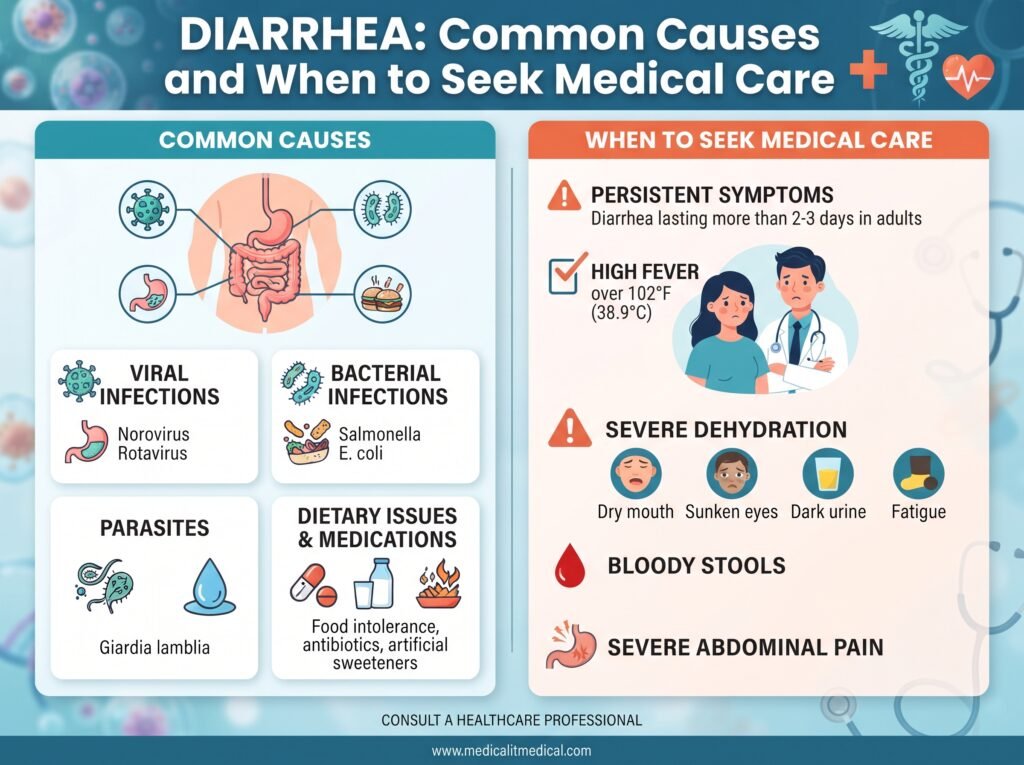
Occasional gas, bloating, or changes in bowel habits can happen for many reasons. Persistent or significant symptoms should not automatically be attributed to diet. Speak with a healthcare professional if digestive symptoms keep returning, interfere with daily life, or do not improve with reasonable dietary changes.
Seek prompt medical evaluation for concerning symptoms such as:
- Blood in the stool or rectal bleeding
- Unexplained weight loss
- Persistent or severe abdominal pain
- Repeated vomiting
- Difficulty swallowing
- Persistent changes in bowel habits
- Severe or ongoing bloating
- Fever associated with significant digestive symptoms
These symptoms can have many possible causes, and proper evaluation is important.
Frequently Asked Questions
1. What are the best foods for better digestion?
Foods that provide fiber and nutrients, such as fruits, vegetables, whole grains, legumes, nuts, and seeds, can support digestive health. Adequate fluid intake is also important, especially when increasing fiber.
2. What foods are high in fiber?
Good fiber foods include oats, whole grains, beans, lentils, chickpeas, berries, pears, apples with the skin, vegetables, nuts, and seeds.
3. Can too much fiber cause digestive problems?
Yes. Increasing fiber suddenly can cause gas, bloating, or abdominal discomfort in some people. Increasing fiber gradually and drinking adequate fluids may make the transition easier.
4. What foods should I avoid for better digestion?
There is no universal list of foods everyone needs to avoid. Fatty or fried foods, very spicy meals, carbonated drinks, caffeine, and certain highly processed foods can worsen symptoms for some people. Individual tolerance matters.
5. Are probiotics good for digestion?
Some probiotics may help with certain digestive conditions, but benefits depend on the specific strain and condition. Probiotics are not a universal treatment for digestive problems. Speak with a healthcare professional if you are considering supplements.
6. Is yogurt good for gut health?
Yogurt containing live cultures can be part of a balanced diet and may provide beneficial microorganisms. However, people with lactose intolerance or dairy sensitivity may need lactose-free or alternative products.
7. Should I follow a special diet if I have IBS?
Some people with IBS benefit from specific dietary approaches, including adjustments to fiber or, under professional guidance, a low-FODMAP diet. Because triggers vary, it is best to discuss significant dietary changes with a healthcare professional or registered dietitian.
Conclusion
Choosing foods for better digestion is less about finding one perfect food and more about developing a balanced eating pattern that your body tolerates well. Fiber-rich fruits, vegetables, whole grains, legumes, nuts, and seeds can support regular bowel function, while adequate fluids help fiber work effectively. At the same time, fatty or fried foods, spicy meals, carbonated drinks, caffeine, and certain processed foods may worsen symptoms in some people. The key is to notice your individual patterns without unnecessarily restricting your diet.
If digestive symptoms are persistent, severe, or accompanied by warning signs such as bleeding, unexplained weight loss, or ongoing abdominal pain, speak with a qualified healthcare professional. A personalized evaluation can help identify the cause and determine whether dietary changes are appropriate.